
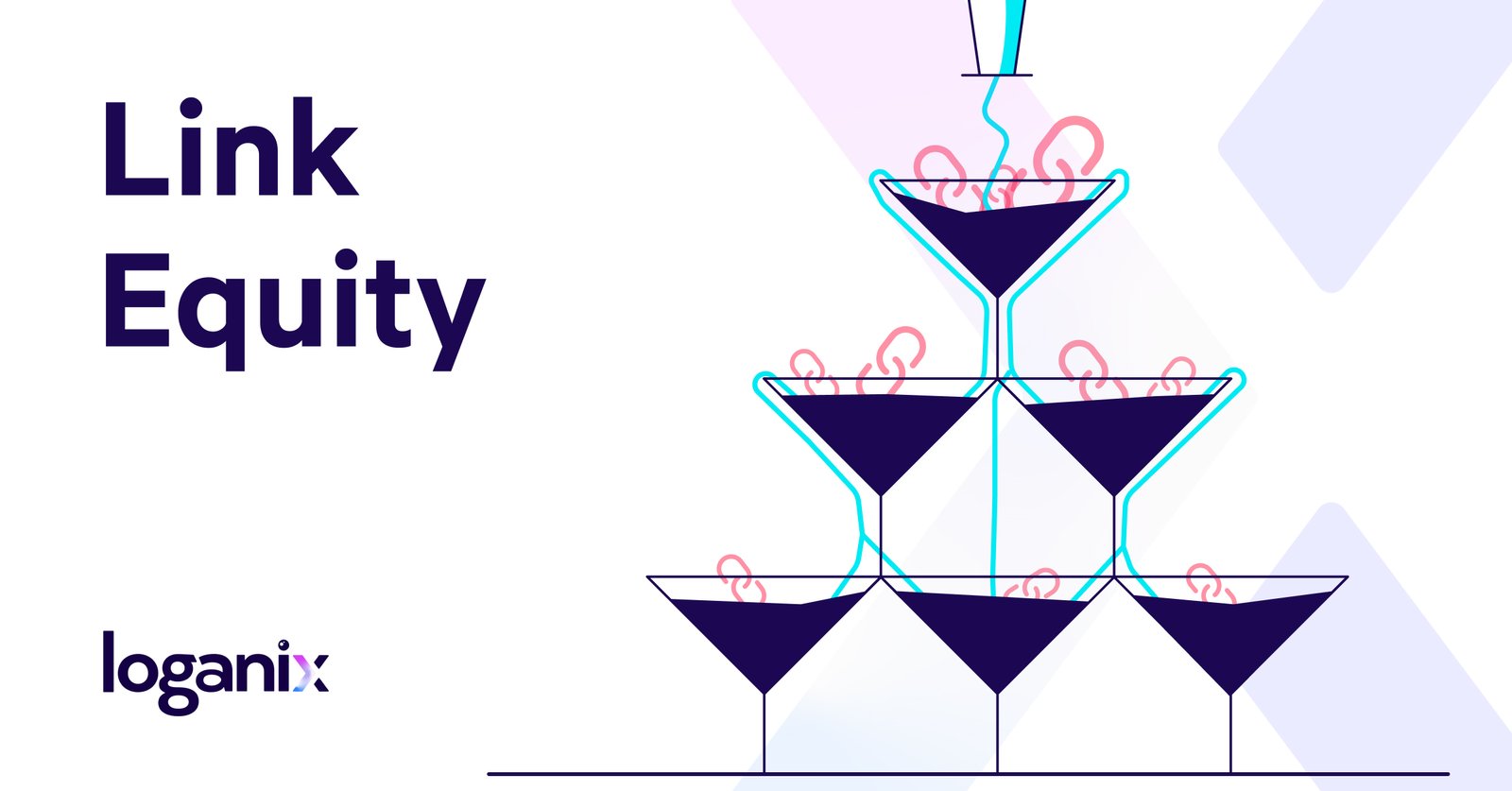
What Exactly Is Link Equity? (And How to Use It Effectively in 2025
Link equity, also known as “link juice,” plays a big role in how your site performs in search engines. But what does it really mean, how does it work, and how can you use it to your advantage? Let’s break it down in plain language—and explore how to maximize your link equity for better rankings and smarter SEO.
Link equity is a search engine ranking factor based on the idea that links pass value (or “authority”) from one page to another. When a trusted, authoritative page links to another page—whether on the same site or a different one—some of that credibility is passed along.
This transfer of value can help the linked page rank higher in search results, especially if the linking site has:
- High authority (Domain Rating/Domain Authority)
- Topical relevance
- Clean backlink profiles
- Dofollow status (more on that below)
In simple terms, link equity is the SEO power a hyperlink can share.

⚙️ How Link Equity Works (The Mechanics Behind the Juice)
Think of the internet as a massive web of roads, with links acting like highways connecting towns (pages). The more high-quality roads leading to a town, the more accessible and trusted that place becomes. That’s how search engines view pages—links are signals of trust, popularity, and relevance.
Here’s how it breaks down:
✔️ When Link Equity Is Passed:
- From a high-authority site to a lower-authority page
- Through dofollow links
- Between pages on the same domain (internal links)
- When the linked page is topically related
- If the link is placed within the main content area (not in the footer or sidebar)
❌ When Link Equity Is Not Passed (or Diminished):
- Nofollow or sponsored tag is used
- The linking page has too many outbound links (dilutes value)
- Link is buried in a low-visibility area (like a comment or footer)
- The linking domain is spammy or low-trust
- Links are hidden or manipulative (black-hat tactics)
In other words, not all links are created equal.
🔗 Link Equity vs. Link Popularity vs. Link Authority
People often mix up these terms, so let’s clear the confusion:
| Term | What It Means |
|---|---|
| Link Equity | SEO value passed from one page to another through a hyperlink |
| Link Authority | The overall trust/strength of the linking domain or page |
| Link Popularity | The number of backlinks pointing to a page (regardless of quality) |
✅ Link equity is about quality + context.
❌ Link popularity is just about volume—which doesn’t always help rankings.
🛠️ Factors That Influence Link Equity
Several key factors affect how much equity a link can pass:
1. Dofollow vs Nofollow
- Dofollow links pass link equity (this is the default link behavior).
- Nofollow, UGC, or sponsored attributes tell Google not to pass authority.
Tip: Aim for dofollow links in editorial content from trusted sources.
2. PageRank of the Linking Page
While Google no longer shows public PageRank, it’s still used internally. Pages with strong backlinks of their own pass more equity.
The higher the PageRank of the linking page, the more value it can pass.
3. Relevance of the Linking Site
Links from pages topically related to your content are much more valuable.
A backlink from a gardening blog to a plant care guide is worth more than one from a cooking blog.
4. Placement on the Page
Where the link sits on the page matters:
- In-content links carry the most weight.
- Sidebar/footer links pass less value.
- Hidden or disguised links may be ignored.
5. Anchor Text
The clickable text affects how Google interprets the link:
- Descriptive anchors help with keyword relevance.
- Over-optimized anchors (too exact match) can be a red flag.
- Branded and natural anchors are safest.
6. Number of Outbound Links on the Page
Link equity is like a pie—the more slices (outbound links), the smaller each one becomes.
Pages with fewer outbound links tend to pass more value per link.
🔄 Internal Linking and Link Equity Distribution
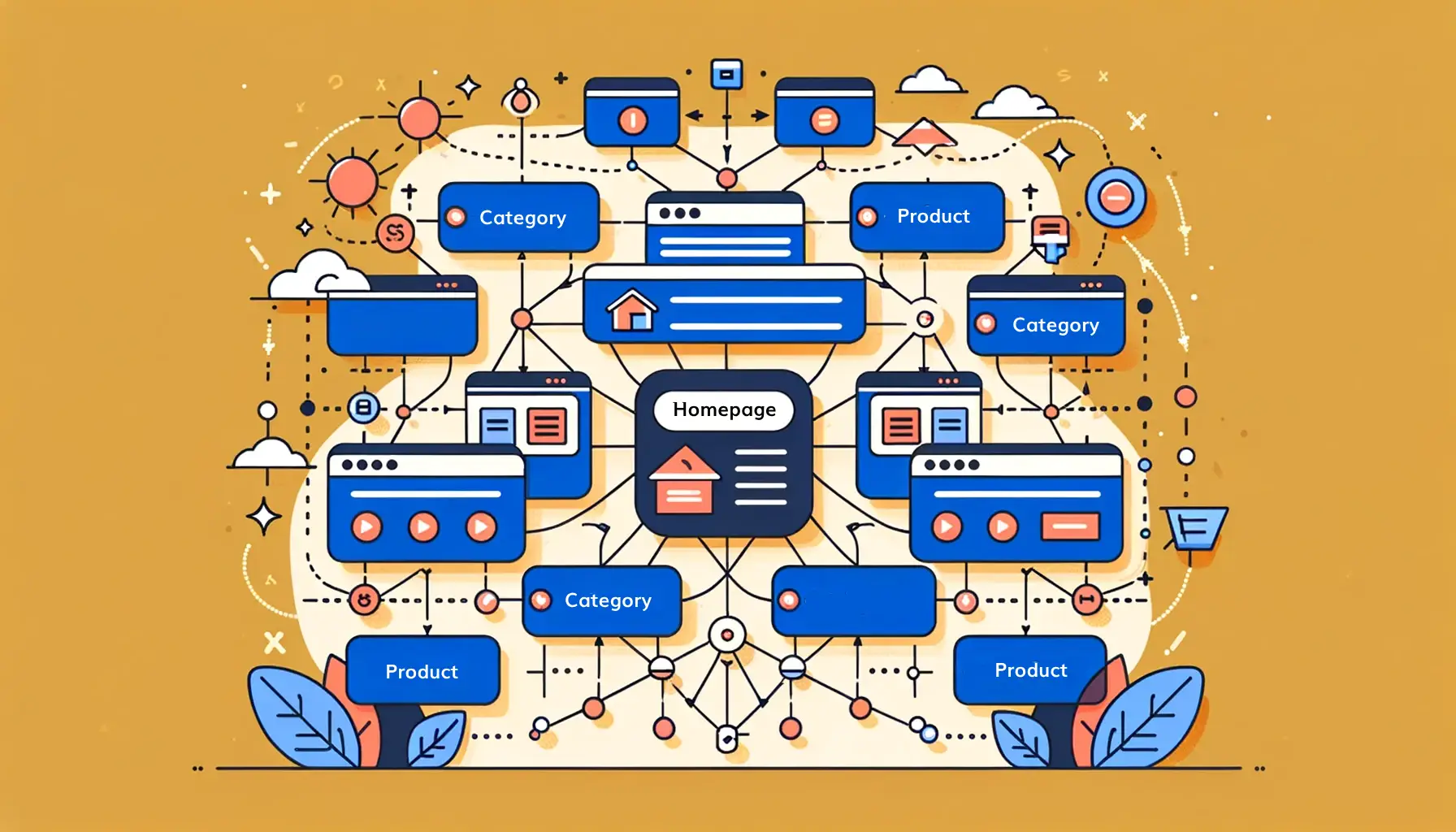
Most people think of backlinks when they hear “link equity,” but internal links are just as important. They help distribute link juice throughout your site and ensure important pages get crawled and ranked.
Smart Internal Linking Tips:
- Link to high-priority pages from your homepage and top nav.
- Use keyword-rich, natural anchor text.
- Avoid orphan pages (pages with no internal links pointing to them).
- Use pillar content to build clusters of related internal pages.
Internal links give you control over how link equity flows across your domain.
🚧 How to Preserve and Build Link Equity
✅ Focus on Content That Attracts Natural Links
- Original research
- Infographics
- Ultimate guides
- Free tools or templates
Great content naturally earns links—and the more quality links you get, the more link equity you can spread around.
✅ Keep Important Pages Close to the Root
The closer a page is to the homepage (i.e., fewer clicks), the more link equity it can receive.
Deep pages with little internal linking often get ignored or rank poorly.
✅ Fix Broken Links (Internally and Externally)
- Use tools like Ahrefs or Screaming Frog to find 404 errors.
- Redirect or replace broken links to recapture lost link equity.
✅ Redirect Wisely
If you delete or move a page, always use 301 redirects to point to a relevant alternative. This ensures most of the link equity gets preserved.
✅ Avoid Over-Optimization
Using the same anchor text over and over can dilute trust and trigger Google’s spam filters. Vary your anchors to sound natural and informative.
🧠 Link Equity in Action: A Real-World Example
Let’s say:
- A high-authority blog (DR 85) links to your new blog post using the anchor text “best productivity hacks.”
- That blog gets lots of traffic and has few outbound links.
- The link is placed in the middle of the content.
What happens?
- Google sees this as a strong vote of confidence.
- Your page starts ranking for “productivity hacks” and related queries.
- The equity from that one link can trickle to other posts if you’ve built solid internal links.
This is link equity working in real time.
⚠️ Common Mistakes That Waste Link Equity
- Linking to too many low-value pages (like “Terms & Conditions” or tag archives)
- Using nofollow on internal links by mistake
- Letting important pages get buried too deep in your site structure
- Ignoring broken pages with lots of backlinks pointing to them
Every link has the potential to carry value—don’t waste it.
🔄 How Link Equity Affects SEO in 2025

In today’s algorithm:
- Link equity still plays a foundational role in SEO success.
- It helps Google prioritize pages and determine which deserve visibility.
- Combined with topical relevance, user engagement, and content quality, it forms part of a strong SEO strategy.
It’s not about chasing hundreds of backlinks—it’s about maximizing the impact of the ones you already have.
❓ Link Equity FAQs
1. What’s the difference between link juice and link equity?
Nothing major—“link juice” is just the casual term, while “link equity” is more professional. Both refer to the value passed through hyperlinks.
2. Do nofollow links pass any link equity?
Generally, no. Google treats nofollow links as hints, not directives. In rare cases, they may contribute context or minimal value—but they’re not reliable for equity transfer.
3. Can internal links pass link equity too?
Absolutely! Internal links are a powerful way to spread link equity across your site, helping less visible pages rank better.
4. What’s the best way to measure link equity?
While Google doesn’t give a “link equity score,” you can use tools like Ahrefs, Moz, or SEMrush to track backlink authority, internal link flow, and anchor distribution.
5. Do 301 redirects pass full link equity?
Not 100%, but close. A well-implemented 301 redirect usually passes 90–99% of the original page’s link value to the new destination.
6. How do I recover lost link equity?
- Fix broken pages or redirect them
- Monitor backlinks with tools
- Update old content that has valuable inbound links
- Reclaim lost links by reaching out to webmasters who removed them
7. How many outbound links should a page have?
There’s no strict number, but fewer high-quality outbound links tend to pass more equity per link. Aim for relevance and balance, not volume.
🚀 Final Thoughts: Mastering Link Equity for Smarter SEO
Understanding and using link equity effectively is one of the smartest moves you can make in SEO. It’s not about having more links—it’s about knowing how to make the most of the link power you already have.
Whether you’re building backlinks or optimizing your internal link structure, think of every link as a strategic asset. With the right structure, tools, and approach, link equity can give your content the boost it needs to rise in the rankings—even in an AI-driven, ever-evolving digital landscape.