
11 Reasons Why Link Building Is So Hard (And What You Can Do About It)
If you’ve ever tried to build backlinks to your website, you already know it’s no walk in the park. You spend hours writing content, sending emails, networking—and in the end, you might get just one or two decent links. Sometimes, none at all.
So, why is link building so hard?
The truth is, link building is difficult because it involves a combination of strategy, psychology, negotiation, content quality, and persistence. It’s not something you can automate or shortcut (at least not without major risks).
In this guide, we’ll break down the 11 core reasons why link building is such a tough nut to crack, along with practical advice to help you navigate each challenge like a pro.
🔍 1. People Get Pitched All the Time (You’re Competing with the Noise)
Let’s be honest—everyone is trying to get links these days. Editors, bloggers, and site owners are bombarded with hundreds of outreach emails each week.
So unless your pitch is:
- Ultra-personalized
- Offers real value
- Has a clear incentive
…you’re likely to get ignored or end up in the spam folder.
How to fix it:
Spend time researching the recipient, referencing their content, and clearly showing how your content is helpful to their audience—not just promoting yourself.
📬 2. Generic Outreach Doesn’t Work Anymore
Mass outreach templates used to work back in the day. But now? Editors can spot them a mile away. “Hey [First_Name], I loved your article on [Topic]…” is a dead giveaway.
Today’s successful link builders craft emails that feel human, thoughtful, and unique.
How to fix it:
Ditch the templates. Write custom intros, include real compliments, and make the outreach feel like a conversation—not a sales pitch.
📝 3. Most Content Isn’t Link-Worthy
Here’s a hard truth: Just because you wrote an article doesn’t mean people want to link to it.
To earn backlinks, your content needs to:
- Be original or deeply insightful
- Solve a real problem
- Include unique data, visuals, or value
If it’s just another “Top 10 Tips” post, it likely won’t attract natural links.
How to fix it:
Invest time into creating linkable assets like infographics, case studies, data reports, or comprehensive guides that others in your niche want to reference.
⏱ 4. It Takes Way More Time Than You Think
Link building isn’t something you can knock out in an afternoon. Between:
- Prospecting
- Crafting content
- Writing personalized emails
- Following up
…you’re often looking at hours of effort per successful link.
How to fix it:
Use tools like Pitchbox, BuzzStream, or NinjaOutreach to streamline the process. But remember—quality still beats speed.
🔍 5. Finding Relevant, Quality Prospects Is a Grind
You can’t just pitch anyone with a website. You need to find:
- Niche-relevant sites
- With good domain authority
- That accept editorial links
- That don’t abuse sponsored posts or PBNs
That narrows your pool down—sometimes dramatically.
How to fix it:
Use tools like Ahrefs Content Explorer, Semrush, or Google operators (e.g., intitle:resources + your keyword) to find hyper-relevant prospects.
💸 6. Many Sites Expect Payment for Backlinks
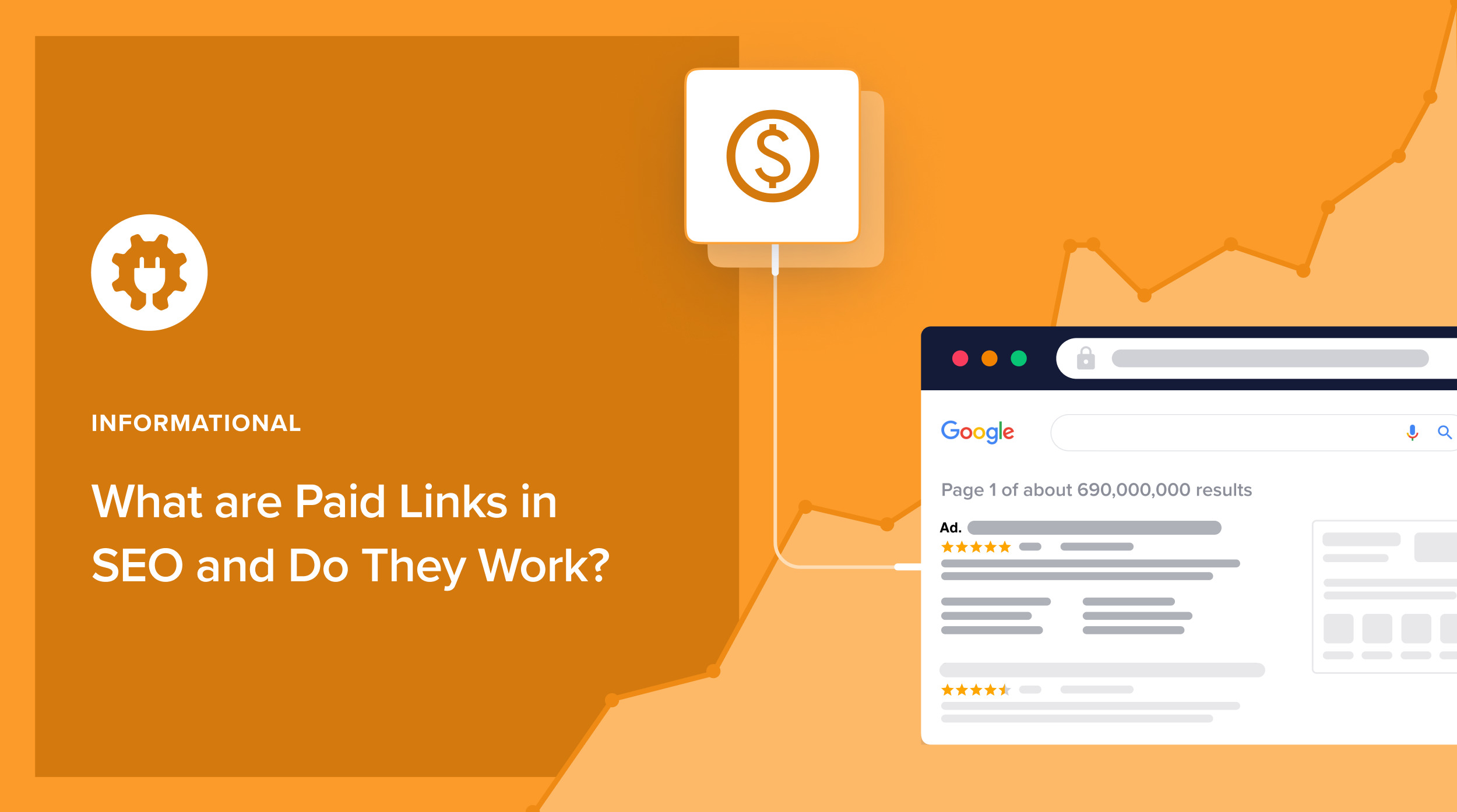
In a perfect world, backlinks are earned. In reality, many site owners expect cash for link placement—especially in competitive niches.
This introduces a challenge for:
- Small businesses
- SEO agencies with strict white-hat policies
- Publishers trying to avoid Google penalties
How to fix it:
Focus on building real relationships, guest posting, or offering value exchanges (like expert quotes or free content) instead of relying on paid placements.
🛑 7. Some Niches Are Just Brutally Competitive
Link building in SaaS, finance, health, or legal niches? Expect stiff competition. In these fields:
- Editors receive 10x more pitches
- Sites often charge for links
- The bar for quality is extremely high
How to fix it:
Get creative with PR-driven link building, data-backed content, or tools that help users—these formats tend to stand out, even in tough verticals.
🗂 8. Editors Are Busy (or Don’t Care)
Even if your pitch is great and your content is amazing, you still may not get a response.
Why? Because:
- Editors have deadlines
- Blog owners are overwhelmed
- Your email just came at a bad time
How to fix it:
Follow up politely and persistently—but don’t be pushy. A well-timed follow-up can be the difference between a lost lead and a live backlink.
⚠️ 9. Google Penalizes Manipulative Link Building
With the rise of SpamBrain, Google is now even better at detecting shady link schemes. That includes:
- Link exchanges
- Link farms
- Paid links without proper disclosure
- Excessive guest posting on low-quality sites
If you’re not careful, you can actually hurt your rankings instead of helping them.
How to fix it:
Stick with white-hat link building. Focus on value-driven outreach, editorial links, and high-quality content marketing.
🔗 10. Link Building Results Are Delayed
Unlike on-page SEO changes that can have fast impact, backlinks take time to:
- Get crawled
- Be indexed
- Affect your domain authority
- Improve your rankings
It might take weeks or even months to see the full benefits.
How to fix it:
Track your link-building progress using tools like Google Search Console or Ahrefs, and view your link strategy as a long-term investment, not an overnight win.
📉 11. Most Campaigns Have Low Success Rates
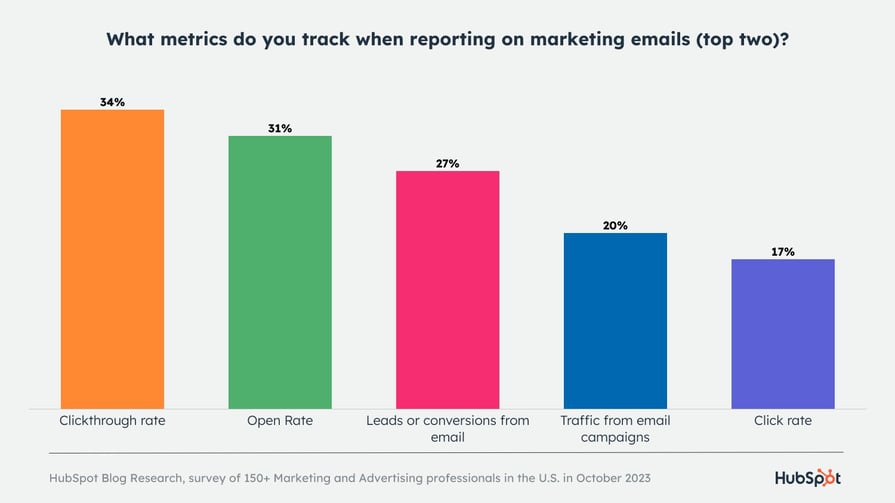
Even the best outreach experts know this: most link-building emails go unanswered.
- Average response rate? Around 8-15%
- Average placement rate? Even lower
That means for every 100 emails you send, you might only land 5–10 backlinks—if you’re lucky.
How to fix it:
Set realistic expectations, continually refine your pitch, and test different outreach strategies. And don’t be discouraged—consistency is key.
📊 Summary Table: Why Link Building Is Hard
| Challenge | Why It Happens | What You Can Do |
|---|---|---|
| Email fatigue | Editors get too many pitches | Personalize, offer real value |
| Low content quality | Too much generic content | Create linkable assets |
| Slow ROI | Backlinks take time to work | Track over 3–6 months |
| Paid link demand | Many sites want money | Build relationships, offer value |
| Manual effort | It’s not easily automated | Use tools, build systems |
| Harsh niches | Competitive verticals | Use PR tactics or original data |
| Spam penalties | Risk of shady tactics | Stick to white-hat methods |
❓ FAQs: Link Building Challenges Explained
Q1: Is link building still worth it in 2025?
Yes—more than ever. Even though it’s tough, link building is still one of the strongest ranking factors in Google’s algorithm. Just focus on doing it right.
Q2: How many backlinks do I really need?
It depends on your niche and competition. For low-difficulty keywords, 10–20 quality links might be enough. For competitive topics, you may need 100+ high-authority, relevant backlinks.
Q3: Are paid backlinks illegal or bad for SEO?
Buying links violates Google’s guidelines, and if caught, your site can be penalized. If you do buy links, make sure they’re disclosed as nofollow or sponsored.
Q4: What’s the fastest way to get backlinks?
There’s no magic bullet, but the fastest ethical methods include:
- HARO pitching
- Guest posting
- Building relationships with bloggers
- Creating high-value tools or resources
Q5: How do I make my content more link-worthy?
Focus on:
- Original data
- Long-form guides
- Interactive tools
- Visual assets (like charts, infographics)
- Expert opinions or unique insights
Q6: Can I outsource link building?
Yes, but be careful. Many agencies promise links but deliver low-quality or irrelevant backlinks. Choose vendors that prioritize editorial, niche-relevant links and show transparent reporting.
🧭 Final Thoughts: It’s Hard, But It’s Worth It
Yes—link building is hard. There’s no sugarcoating it. But the difficulty is exactly what makes it so powerful. It acts as a barrier to entry, and those who push through it are often the ones who dominate the SERPs.
To succeed:
- Be strategic
- Stay consistent
- Build real relationships
- Focus on value and relevance
It’s not about spamming inboxes or gaming algorithms. It’s about earning trust, one link at a time.