

🛒 Ecommerce Link Building in 2025: The Ultimate Guide
Everything you need to ramp up your online store’s visibility with smart, effective backlinks—no fluff, just strategies that work.
Link building for ecommerce sites has only grown tougher in 2025. Google’s algorithms now demand higher relevance, refined user experience signals, and strong trust to rank product pages and category listings. That doesn’t mean you throw in the towel—it means you up your game. This guide walks through proven tactics, advanced strategies, and actionable tips to earn authoritative backlinks that move the needle.

Why Link Building Matters for Ecommerce in 2025
- Boosts Visibility in Search Results: The top backlinks still send the most SEO value—especially for product and category pages competing for head keywords.
- Drives Referral Traffic: A link from a relevant blog or resource page can send highly targeted shoppers directly to your store.
- Builds Trust & Credibility: Editorial links from respected sites signal trust to users and Google alike.
- Supports Product Launches & Seasonal Campaigns: Authoritative links boost visibility during key sales periods, helping surge traffic and conversions.
The Most Effective Link Types for Ecommerce
- Editorial Links
Genuine mentions and hyperlinks in blog articles, infographics, or expert roundups—usually from niche- or industry-relevant publications. - Resource Page Placements
Links on “best-of” or curated list pages relevant to your niche—like “Top Outdoor Gear Retailers.” - Product Roundups & Comparisons
Mentions in “top 10” lists, gift guides, or gear comparison articles that include a brief description and link. - Guest Post Links
High-quality guest content with subtle, contextual links—great for sharing authority and introducing your brand. - Brand Mentions and Unlinked Mentions
Even if they don’t link directly, they signal brand authority. Reach out to convert mentions into actual links.
1. Build Content That Naturally Attracts Links
Your products need to be easy to talk about—and link to.
- Create Data-Driven Content
Share proprietary stats or publishing insights that others want to reference. Think product trends, usage data, or niche vs. mainstream comparisons. - Design Visual Assets
Craft infographics, product comparison tables, or interactive charts that bloggers and media can easily embed—with a link back to you. - Publish Unique, Helpful Guides
“How to pick the right running shoe for trail terrain” or “Sustainable materials for outdoor gear” position your store as an authority and give bloggers a link-worthy resource. - Host Expert Roundups
Invite niche experts or influencers to contribute quotes or tips—and everyone involved will likely link back to the content they’re featured in.
2. Tactical Outreach to Win Quality Backlinks
Once you’ve got link-worthy content, you need to get it seen—and linked.
🎯 Target the Right People
Find niche-focused bloggers, journalists, review sites, and resource curators who frequently cover products like yours. Tools like Ahrefs and BuzzSumo help you discover these.
💌 Personalize Your Pitch
Avoid generic emails. Mention a recent article, explain why your content fits their audience, and offer something useful—not just a link request.
🧩 Offer a Clear Value Prop
Include stats or digest previews: “Hey Sarah, your roundup of sustainable gear was awesome—my latest infographic adds comparison data that might fit it perfectly.”
🔁 Follow Up Thoughtfully
A polite, friendly follow-up often makes the difference. Timing and tone matter—don’t hustle; just stay visible.
3. Leverage Collaborations & Influencer Partnerships
You can’t build meaningful links alone. Here’s how to expand your reach through partnerships:
- Co-create Content
Partner with bloggers or complementary brands to create how-to guides, product comparisons, or trend reports—and share the link boost. - Host Webinars or Podcasts
Invite industry voices, review your top products, share insights—and ask them to link back when promoting the recording or show notes. - Complete Giveaways or Bundle Campaigns
Team up with non-competitive but relevant brands—each partner will promote the bundle and link to your product page or landing page. - Get Featured in Expert Contribution Pieces
Respond to HARO requests or create your own survey across niche communities. When their output is published, you can often get a link to your store.
4. Use Broken Link Building For Ecommerce Wins
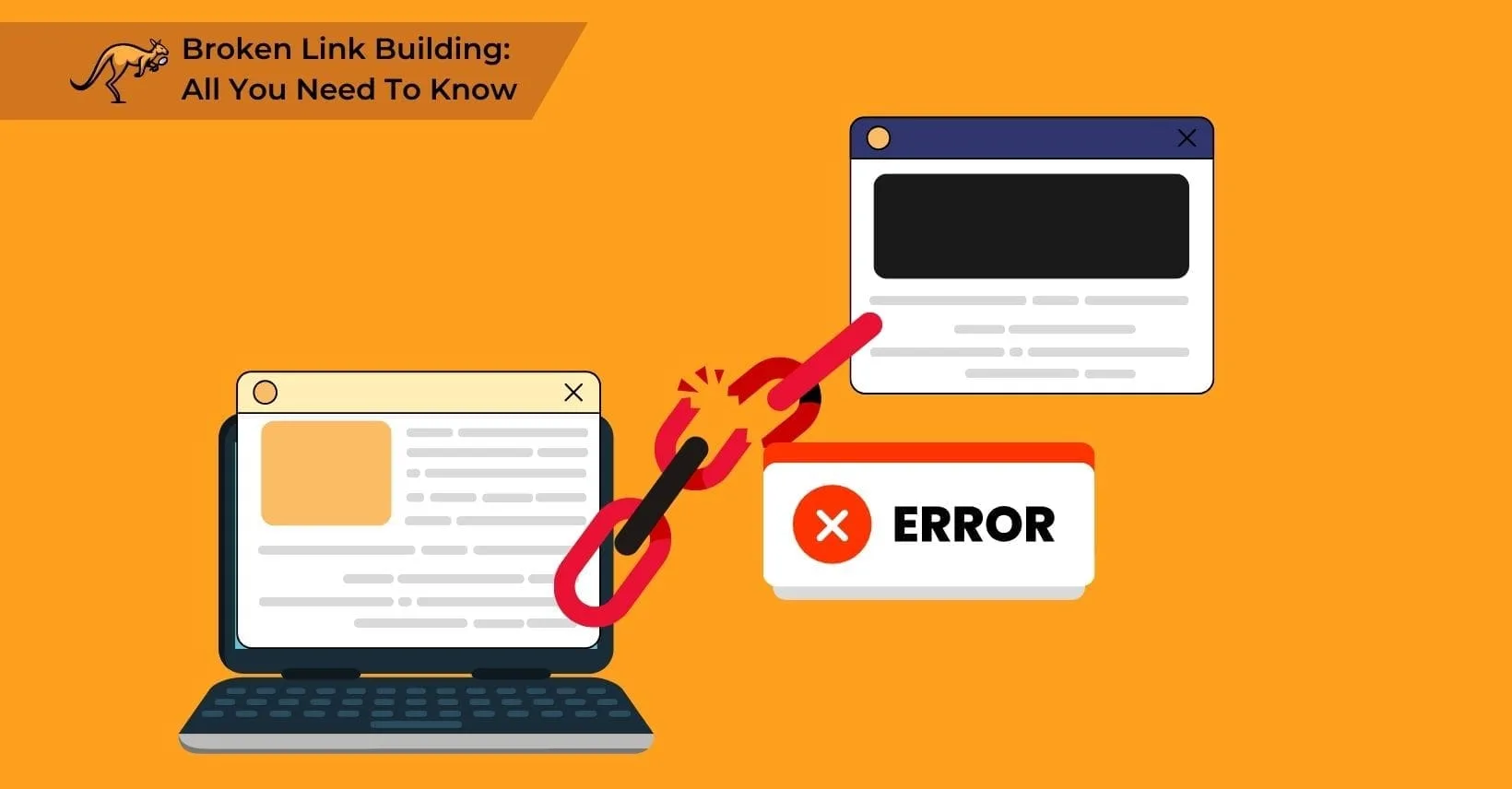
Here’s a clever, efficient tactic:
- Search for pages in your niche that list resources or tools.
- Use a broken-link checker to find dead links.
- Reach out to the site owner and offer your content or product page as a replacement.
- Provide the exact replacement URL, anchor text suggestion, and emphasize it adds current, relevant value.
This method wins you highly relevant links with less friction.
5. Tap into Unlinked Mentions & Social Buzz
Your brand is getting talked about. Capture it.
- Monitor Brand Mentions
Use tools like Google Alerts, Mention, or Brand24 to catch unlinked mentions in blog posts or social shares. - Reach Out & Request Links
Send a friendly note: “Hey, thanks for mentioning us—mind adding a hyperlink back to the product page you referenced?” - Repurpose UGC for Backlink Triggers
Take user reviews, social posts, or unboxing videos and feature them in dedicated blog posts. Then pitch that post to media as a round-up of honest opinions—earning both engagement and backlinks.
6. Use Local & Niche Citations
Specialty stores (like outdoor gear or eco-friendly products) can use niche harbors:
- Local Chambers of Commerce or business listings
- Industry organizations or certification sites
- Niche directories (e.g. eco-friendly certification listings)
Citations in these trusted places improve your local visibility and backlink profile.
7. Optimize Anchor Text and Internal Links
When building links, the anchor text matters. Go beyond generic anchors—use key phrases naturally.
Similarly, internal linking to product pages strengthens their SEO value. Strategically linking from blog posts, category guides, and help content supports your link-building efforts.
8. Measure What Matters
Track your link performance intelligently:
- Ahrefs/Semrush: Monitor referring domains, anchor text mix, and domain relevance.
- Google Analytics: Segment referral traffic sources, bounce rates, and conversion rates.
- Sales/Product UTM Tracking: Tag your outreach campaigns to see which links drive real ROI.
Aim for a balanced link profile—organic, anchor variety, domain relevance, and steady growth.
⚖️ FAQ Section: Common Questions Tackled
Q1. How many backlinks do ecommerce stores need to rank?
There’s no magic number. New niches may need 20-50 domain-relevant links, while competitive categories might require 100+ that are editorial and contextually tied to your product.
Q2. Is buying links ever okay?
Google frowns on buying links, especially from low-quality sources. If you do it, be sure they’re editorial quality and marked as “sponsored” or “nofollow”, and don’t base your entire strategy on them.
Q3. Should I limit backlinks to product pages?
No—blog posts, guides, resource pages, and category pages also benefit significantly from relevant links. They collectively help your store’s SEO ecosystem.
Q4. How often should I build links?
Ecommerce algorithms skew towards consistency. Aim for monthly link-building campaigns (even 2–3 high-quality links per month). Big bursts risk spam flags.
Q5. How do I handle seasonal products?
Push seasonal promotions or gift guides early (6–8 weeks ahead) and reach out to relevant media when they’re planning content for those times.
Q6. How do I recover from a link penalty?
First, run a backlink audit (via Ahrefs or GSC), identify toxic domains, then disavow them or reach out for removal. Finally, apply for reconsideration with Google and rebuild using white-hat strategies.

✅ Final Takeaway: Quality Over Quantity Always Wins
In today’s competitive environment, ecommerce link building demands purposeful effort, relationship-building, and content excellence. Instead of chasing volume, lean into strategies that add real value:
- Create unique, sharable assets
- Hunt down broken-link swaps
- Build cross-brand partnerships
- Track and refine your link profile continually
Over time, these genuine links don’t just boost rankings—they help your brand stand apart in a crowded marketplace.