

Referring Domains vs. Backlinks: What’s the Real Difference and Why It Matters for SEO
If you’ve ever wondered whether you should chase more backlinks or focus on increasing your referring domains, you’re not alone. In this guide, we’ll break down exactly what each term means, how they impact your SEO differently, and which one gives you more value in the long run.
Understanding the Basics: What Are Backlinks and Referring Domains?
Let’s start with simple definitions before diving into their deeper SEO value.
✅ What Is a Backlink?
A backlink is any hyperlink that points to your website from another website. Think of it as a vote of confidence: one site linking to yours signals to search engines that your content is valuable or trustworthy.
Example:
If an article on TechCrunch links to your blog post, that’s a backlink.
Now, if TechCrunch links to your site three different times on the same page or across different pages, that’s three backlinks from the same site.
✅ What Is a Referring Domain?
A referring domain is the unique website that provides one or more backlinks to your site. So in the example above, even though there are three backlinks from TechCrunch, it only counts as one referring domain.
Key Difference:
- Backlinks are total individual links.
- Referring domains are the unique sources of those links.
Backlinks vs. Referring Domains: The Big Picture
Backlinks and referring domains both play crucial roles in SEO. However, they don’t carry the same weight.
🔍 Backlinks = Quantity
The more backlinks you have, the more your content might seem authoritative to search engines—but only up to a point.
🌐 Referring Domains = Quality (in Google’s eyes)
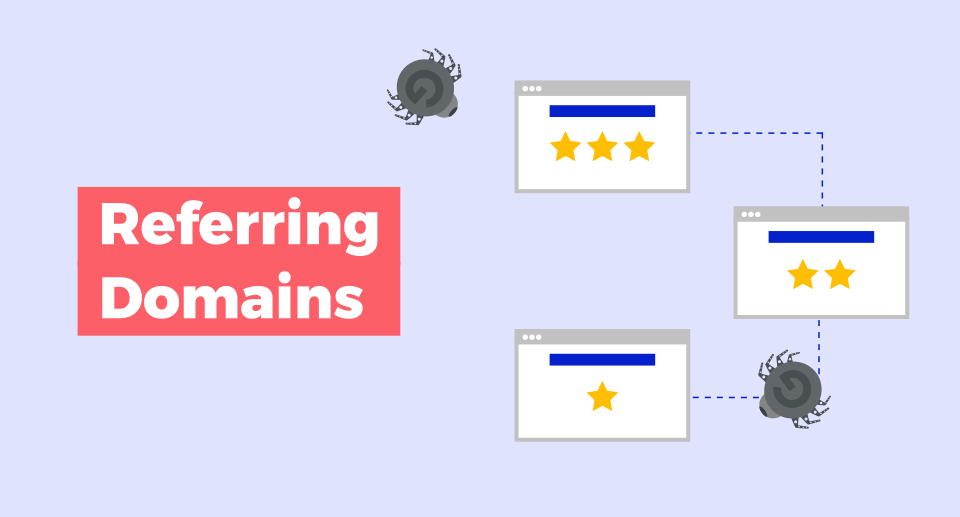
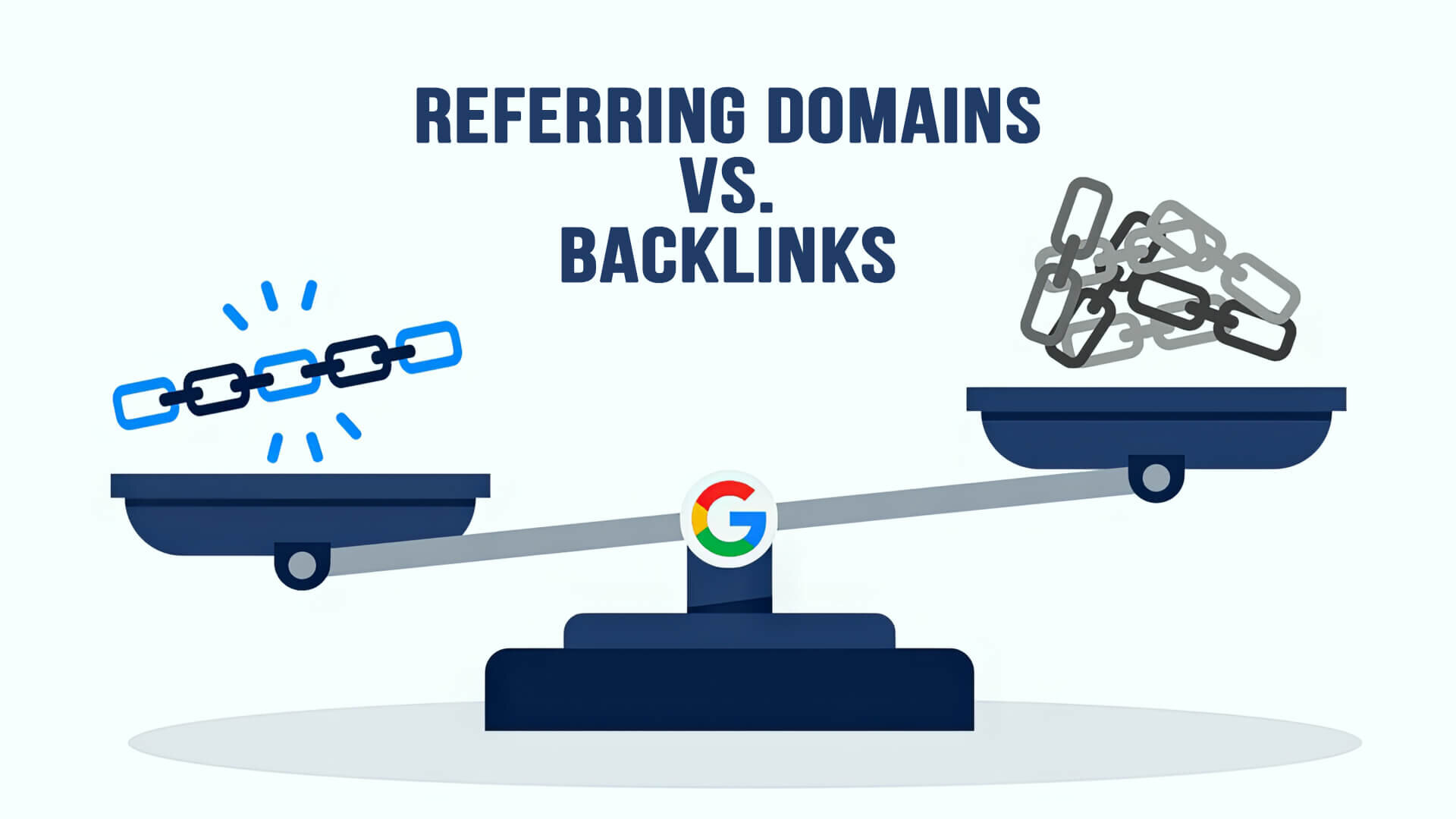
Google values diverse, authoritative referring domains more than having hundreds of backlinks from the same source. Why? Because it suggests that multiple, independent websites vouch for your content—not just one.
Why Referring Domains Matter More Than Backlinks Alone
Let’s look at a few reasons why referring domains often matter more than raw backlink numbers:
1. Google Trusts a Wider Net of Sources
Imagine you have 1,000 backlinks—but they all come from a single website. That tells Google you’re popular on that one site.
Now imagine you have 1,000 backlinks from 500 different websites. That shows broad support from across the web. That’s authority.
2. Diversification Protects You From Algorithm Shifts
When your backlink profile depends heavily on a single domain or a few sources, you’re more vulnerable. If that site gets penalized or loses authority, your SEO takes a hit too.
A diverse profile of referring domains spreads the risk—and boosts trust.
3. Higher Correlation With Rankings
Studies from SEO platforms like Ahrefs and SEMrush consistently show a stronger correlation between the number of referring domains and Google rankings than with total backlinks.
In short: Google cares more about who is linking to you, not just how many times.
So… Are Backlinks Still Important?
Absolutely. Backlinks still pass link equity (also called PageRank). A page with more high-quality backlinks may still outrank competitors, all else being equal.
But here’s the key:
A few backlinks from different domains are worth far more than dozens from the same site.
This is especially true when those domains have:
- High Domain Authority (DA) or Domain Rating (DR)
- Topical relevance to your site
- A clean, natural backlink profile
Example to Illustrate the Difference
Let’s break it down with a simple example:
| Metric | Site A | Site B |
|---|---|---|
| Total Backlinks | 1,000 | 200 |
| Referring Domains | 10 | 100 |
| Domain Authority (avg) | Low (DA 10–20) | Medium-High (DA 40–60) |
| SEO Outcome | Low visibility | Strong ranking lift |
Which one performs better in Google?
Site B. Why? Because its 200 backlinks come from 100 different, higher-authority websites—signaling stronger trust and value.
Which Should You Prioritize First—Referring Domains or Backlinks?
Here’s a practical approach:
🎯 Focus on Referring Domains Early in Your SEO Strategy
When you’re building domain authority, aim to earn links from as many different high-quality websites as possible. This helps establish you as a credible, trusted source in your niche.
📈 Backlinks Add Power (But Only If They’re Quality)
Once you have solid referring domain diversity, it’s okay to build more backlinks from your top referrers—especially if they’re authoritative and relevant. Just avoid excessive linking from one domain, which can look manipulative.
How to Earn More Referring Domains (the Right Way)
Here are some ethical, high-impact ways to attract links from unique domains:
1. Create Link-Worthy Content
This is the cornerstone. Make:
- Original research
- In-depth guides
- Tools or calculators
- Visuals like infographics or charts
- Data studies or expert roundups
2. Use HARO (Help a Reporter Out)
Respond to journalists looking for expert input. When you’re featured, you often get a backlink from a new referring domain.
3. Guest Posting
Contribute high-value content to industry-relevant blogs and sites. Every new site you write for is a new referring domain.
4. Digital PR
Pitch newsworthy stories, product launches, or partnerships to online publications.
5. Broken Link Building
Find broken links on other sites and suggest your own content as a replacement. Great for getting contextual links from authoritative domains.
Avoid These Common Link Building Mistakes
❌ Buying Spammy Backlinks
Cheap links from shady networks can get you penalized. Always prioritize quality and relevance over volume.
❌ Over-Optimized Anchor Text
Mix up your anchor text. Too many exact-match keywords can signal unnatural link patterns.
❌ Ignoring Domain Quality
A backlink from a spammy site with a DA of 10 isn’t going to help much. Aim for real sites with real traffic.
❌ Only Tracking Backlink Count
Don’t obsess over numbers alone. Context and source diversity are far more important.
How to Check Your Backlinks and Referring Domains
You can use tools like:
- Ahrefs
- SEMrush
- Moz
- Google Search Console
These platforms show you:
- Total backlinks
- Number of referring domains
- Domain and page authority
- Anchor text used
- Linking pages and their content
Track both backlinks and referring domains regularly to understand your SEO growth.
Backlinks vs. Referring Domains: Key Differences at a Glance
| Feature | Backlinks | Referring Domains |
|---|---|---|
| What it measures | Total number of individual links | Unique websites linking to your site |
| SEO impact | Moderate (depends on source + context) | High (strong ranking signal for Google) |
| Common mistake | Chasing volume over quality | Ignoring DA/DR of domains |
| What to optimize for | Contextual, dofollow, relevant links | Diverse, authoritative, niche-specific sites |
| Risk of overdoing | Yes—can look spammy or manipulative | Less risk if naturally earned |
| Best tools to monitor | Ahrefs, Moz, SEMrush, Google Search Console |
Frequently Asked Questions (FAQs)
1. Is it better to have more backlinks or more referring domains?
More referring domains are generally better for SEO than just more backlinks. A link from 100 different websites is more powerful than 100 links from the same site.
2. How many referring domains is good for SEO?
There’s no one-size-fits-all number, but many top-ranking pages have hundreds or thousands of referring domains—especially in competitive niches. Focus on steady, natural growth.
3. Can one referring domain give multiple backlinks?
Yes, absolutely. A single website can link to you multiple times from different pages. While that’s helpful, Google tends to give diminishing returns for multiple links from the same domain.
4. How do I get more referring domains?
You can get more referring domains by producing link-worthy content, engaging in digital PR, guest posting, and using platforms like HARO or Qwoted to earn mentions from journalists and bloggers.
5. What’s more important: anchor text or referring domain authority?
Both matter, but referring domain authority is more important. Use natural anchor text and avoid exact-match stuffing. Google is smart enough to understand semantic context.
6. Do nofollow links from new referring domains still help?
While nofollow links don’t pass full link equity, they still add trust, visibility, and traffic—especially if they come from authoritative sites. They also diversify your backlink profile naturally.
Final Thoughts
In the world of SEO, both backlinks and referring domains play essential roles—but understanding the difference is critical to building a smart, sustainable strategy.
While backlinks give you strength, referring domains give you credibility. Together, they shape your domain authority, rankings, and overall search visibility.
So the next time you’re analyzing your backlink profile, don’t just count the links. Ask yourself:
“How many unique, quality websites are linking to me?”
That’s the real signal Google’s watching.