
7 Proven Strategies to Earn Valuable .gov Backlinks (The Ultimate White-Hat Guide)
Want backlinks from one of the most powerful, trusted domains on the web? Learn how to ethically earn .gov backlinks—some of the best authority signals Google trusts for SEO.
Backlinks from .gov domains are like gold in the SEO world. These sites are owned by government agencies, making them highly authoritative and trusted by search engines. But they’re not easy to get.
This guide breaks down exactly how to earn .gov backlinks with white-hat, proven, and scalable tactics—no black-hat tricks or spammy outreach.
Why .gov Backlinks Matter So Much in SEO
Before we dive into the strategies, let’s talk about why .gov backlinks are such a big deal.
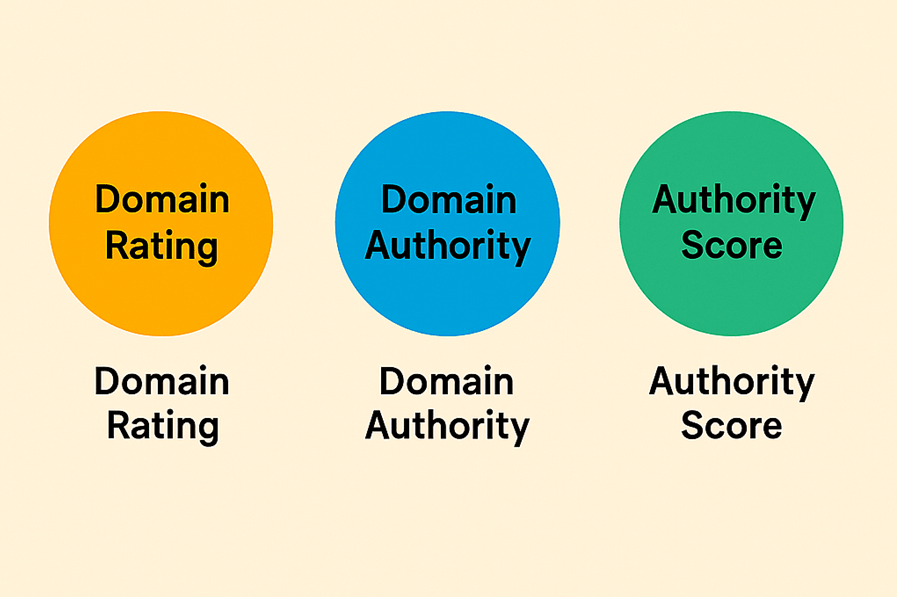
✅ 1. High Domain Authority (DA/DR)
Government websites often have DR 80–95, making them some of the strongest domains on the internet.
✅ 2. Massive Trust & Credibility
Google places huge trust in .gov domains. A single backlink from a .gov site can boost your authority more than dozens of average blog links.
✅ 3. Difficult to Manipulate
Because you can’t just buy or spam your way into a .gov backlink, they serve as strong trust signals in Google’s algorithm.
✅ 4. Relevant in Local and National Search
If you run a business that’s local, educational, nonprofit, or service-based, these links can dramatically improve visibility in local SERPs.
How Hard Is It to Get a .gov Backlink?
Let’s be honest—it’s not easy. But it’s very doable if you approach it strategically and ethically. The key is providing genuine value, aligning with public interests, and knowing where to look.
7 Proven Strategies to Earn Powerful .gov Backlinks
Ready to start building high-value links from government websites? Here’s your game plan.
1. Create Local Community Resources
One of the best ways to earn .gov backlinks is by building free, helpful resources for your local community.
Example Ideas:
- Emergency preparedness guides
- Local job search help
- Mental health resources
- Financial literacy content
- Parenting and school readiness tips
Then, submit your resource to local city, county, or state agency websites, many of which have community resource pages or directories.
💡 Tip: Look for pages titled “Community Resources,” “Local Help,” or “Public Services” on .gov sites.
Real Example:
A local health clinic created a “Guide to Affordable Mental Health Services” and got it listed on state and municipal health department websites.
2. Partner With Government Initiatives or Campaigns
Many government agencies run awareness campaigns on topics like:
- Public health
- Environmental safety
- Cybersecurity
- Anti-bullying
- Energy conservation
If your brand aligns with any of these causes, offer to:
- Create educational content
- Donate time or resources
- Co-sponsor events
- Build tools or infographics
When they publish campaign pages or press releases, they’ll often link to partner resources—that’s your backlink.
💬 Pro tip: Reach out to their communications or public affairs department.
3. Offer Free Tools or Services to Public Institutions
Government departments often list tools or software that help with:
- Budgeting
- Public safety
- Education
- Accessibility
- Crisis communication
If you offer a free version of your tool or software that can help nonprofits or government employees, there’s a good chance they’ll link to it as a resource.
Even if you’re a private business, positioning your tool as a public good can get you listed.
🛠️ Example: A cybersecurity company created a free phishing awareness tool that got picked up by state and federal IT departments.
4. Contribute Expert Content to Government Portals
Some .gov websites accept content from experts, especially in areas like:
- Public health
- Education
- Law & safety
- Economic development
- Environmental science
Look for government-run blogs, newsletters, or community outreach portals where you can submit articles, whitepapers, or research.
Make sure your content is:
- Data-backed
- Educational
- Non-promotional
- Aligned with their mission
If accepted, they’ll likely include a bio with a backlink to your site.
5. Join Government Vendor or Small Business Directories

Many local and state governments maintain directories for:
- Certified small businesses
- Minority-owned or women-owned businesses
- Government contractors
- Local suppliers
Get listed in these databases—most of them include a website field that’s publicly linked.
📝 Tip: Search for “[your city] + government vendor registration” or “small business directory site:.gov”
6. Apply for Government Grants or Community Programs
When your organization receives a grant or funding from a government entity, they often announce it on their websites and link to your organization.
You don’t have to be a nonprofit—many programs support:
- Education initiatives
- Small business innovation (e.g., SBIR)
- Environmental efforts
- Technology pilots
Check Grants.gov, state grant programs, and municipal initiatives for opportunities.
7. Collaborate With Schools and Universities (.gov K–12)
Many public schools operate under .gov domains (especially K–12 districts). They frequently maintain:
- Resource lists
- School safety programs
- Parent education pages
- STEM/STEAM learning resources
You can contribute by:
- Offering free educational materials
- Sponsoring classroom programs
- Speaking at virtual school events
This often earns a link from the district’s official .gov site.
How to Find .gov Link Opportunities
Use Google search operators to uncover resource pages, blogs, and directories:
site:.gov "resources" + your keywordsite:.gov "recommended links"site:.gov "external resources"site:.gov "submit a resource"site:.gov "community partners"
Or use tools like:
- Ahrefs to find competitors’ .gov backlinks
- BuzzSumo to see what government agencies are sharing
- Hunter.io to find .gov contact emails
Keep a spreadsheet with:
- Page URL
- Contact name/email
- Submission instructions
- Outreach date and status
Outreach Tips for .gov Websites
When contacting .gov site owners or managers:
✅ Be respectful and professional
✅ Clearly explain why your resource helps their audience
✅ Keep your request short and polite
✅ Avoid sales language—focus on public service
✅ Follow up once after 5–7 days
Remember: these are public servants, not marketers. Make their job easy and your offer valuable.
Real-World Example: How One Startup Earned .gov Links
A green energy startup created a detailed guide on reducing home energy use during heatwaves. They:
- Published a shareable PDF
- Sent it to city and state energy departments
- Highlighted how it aligned with public safety
Result? 5+ backlinks from .gov energy departments, a .gov-sponsored Twitter share, and local news pickup—all from one guide.
Common Mistakes to Avoid
❌ Spamming Government Contacts
Mass email blasts won’t work here. Targeted, thoughtful outreach is key.
❌ Asking for a Link Without Providing Value
You need to offer something genuinely useful—a tool, guide, case study, or resource.
❌ Being Overly Promotional
Government websites won’t link to anything that sounds like an ad. Keep it educational and non-commercial.
❌ Giving Up After One Try
Many .gov agencies are slow to respond. Follow up once, then move on—but don’t expect overnight wins.
Tools That Help with .gov Link Building
| Tool | Use Case |
|---|---|
| Ahrefs | See who links to your competitors (.gov included) |
| Google Alerts | Track mentions of your brand on .gov domains |
| BuzzStream | Manage outreach campaigns |
| Hunter.io | Find and verify .gov email addresses |
| Grammarly | Ensure outreach emails are polished and clear |
Frequently Asked Questions (FAQs)
1. Are .gov backlinks better than .edu or .com backlinks?
Yes, generally. While all high-quality links help SEO, .gov backlinks carry extra weight due to their authority, trust, and rarity.
2. Do .gov backlinks guarantee higher rankings?
Not by themselves. But when part of a diversified SEO strategy, they can significantly boost domain authority and trust, which supports higher rankings.
3. How do I know if a .gov backlink is helping my SEO?
Use tools like Ahrefs or Google Search Console to track:
- Increases in referring domains
- Keyword ranking improvements
- Referral traffic from .gov sources
4. What industries can benefit most from .gov backlinks?
Any industry can benefit, but especially:
- Healthcare
- Education
- Environmental
- Technology/SaaS
- Local services
- Nonprofits
5. Can I pay for .gov backlinks?
No—and you shouldn’t. Paying for .gov links is against Google’s guidelines and likely won’t work. These links must be earned through value and relevance.
6. How long does it take to get a .gov backlink?
It varies. Some responses come in a few days, others take weeks or even months. Be patient and consistent.
7. Can I use AI tools to help with content or outreach?
Yes. AI can help draft emails, optimize content, or generate topic ideas. Just make sure the final product is customized, accurate, and human-reviewed.
Final Thoughts: Building .gov Backlinks Is Worth the Effort
Getting .gov backlinks isn’t quick or easy—but it’s one of the smartest long-term SEO moves you can make.
They’re:
- Trusted by Google
- Impossible to fake
- Highly authoritative
- Long-lasting
By focusing on value, service, and alignment with public interests, you’ll stand out as a contributor—not a spammer.
Start small: build one community resource. Reach out to one local agency. Help just one school or city. And before long, you’ll build a backlink profile that sets your site apart.