
The Power of Layers: A Complete Guide to Tiered Link Building for SEO in 2025
If you’ve been building backlinks but still not seeing big jumps in your rankings, there’s a good chance you’re missing one crucial tactic: tiered link building.
Tiered link building is one of the smartest, most strategic ways to amplify the value of your backlinks without taking unnecessary risks. It allows you to layer your efforts, build authority efficiently, and protect your site—all at once.
In this in-depth guide, we’ll break down everything you need to know about how tiered link building works, why it’s so effective in today’s SEO landscape, and how to build a powerful multi-layer link structure that boosts your rankings safely and sustainably.

What Is Tiered Link Building?
Tiered link building is the process of creating multiple layers of backlinks, where each tier points to the one above it—not always directly to your website.
- Tier 1: High-quality backlinks that point directly to your main website or money pages.
- Tier 2: Backlinks that point to your Tier 1 backlinks, helping those pages gain more authority.
- Tier 3 (optional): Links that support your Tier 2 links, giving them more power.
Think of it as an SEO pyramid. The deeper layers support and boost the top.
The goal? Help your Tier 1 backlinks get indexed, carry more authority, and ultimately pass more link equity to your main site—without exposing it to risk.
Why Tiered Link Building Still Works in 2025
Even with Google’s ever-evolving algorithm, the core principles of SEO remain unchanged: backlinks are a major ranking factor. But getting high-authority backlinks isn’t easy, and just having them isn’t always enough.
Here’s why tiered link building still makes sense:
✅ Helps backlinks get indexed faster
✅ Increases the authority of each link
✅ Protects your website from penalties
✅ Builds a natural backlink ecosystem
✅ Allows you to repurpose lower-quality links without hurting your site
Google doesn’t penalize sites with strong link profiles—what they penalize is manipulation. When done right, tiered linking feels organic and boosts overall trust and authority.
Breaking Down the Tiers: What Goes Where
Understanding what kind of links to use in each tier is critical. Here’s how it breaks down:
🔗 Tier 1: High-Quality, Manual, Editorial Links
These are the backlinks pointing directly to your main website. They should be natural, trustworthy, and white-hat.
Examples:
- Guest posts on authority blogs
- Digital PR mentions
- Resource page placements
- HARO links
- Niche industry directories
- High-quality niche forums (when done with care)
Rule: Tier 1 should always consist of links you’d be proud to show to Google manually.
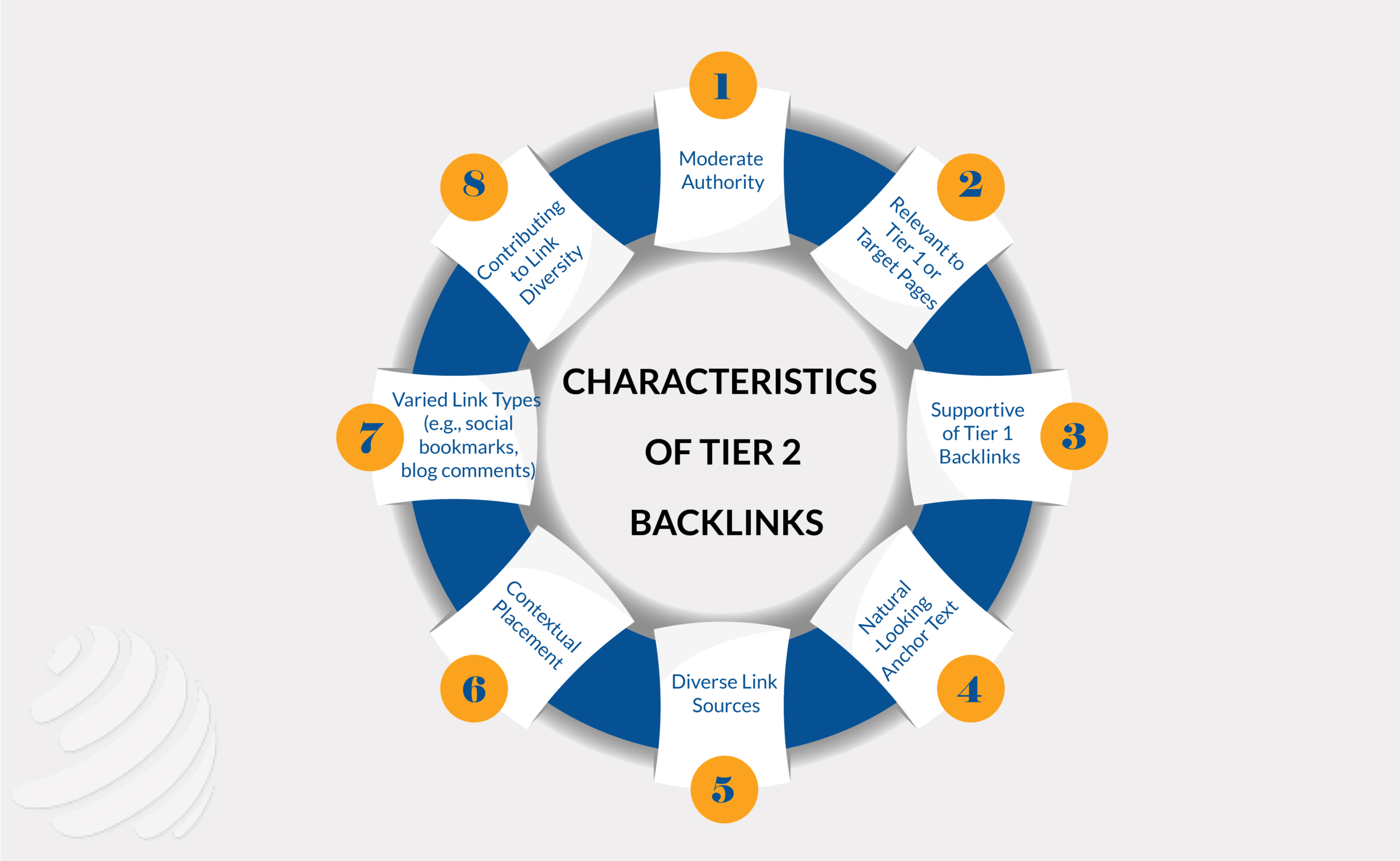
🔗 Tier 2: Contextual, Mid-Tier Links Pointing to Tier 1
The goal of Tier 2 links is to strengthen your Tier 1 links and help them get indexed.
Examples:
- Medium articles linking to your guest post
- Quora or Reddit threads referencing a resource you built
- Blog comments on relevant, indexed blogs
- Web 2.0 properties (e.g., WordPress, Blogger)
- Social media shares with contextual write-ups
- Niche forum posts linking to Tier 1 content
These links should still offer contextual relevance and crawlability, but don’t need to meet the same strict standards as Tier 1.
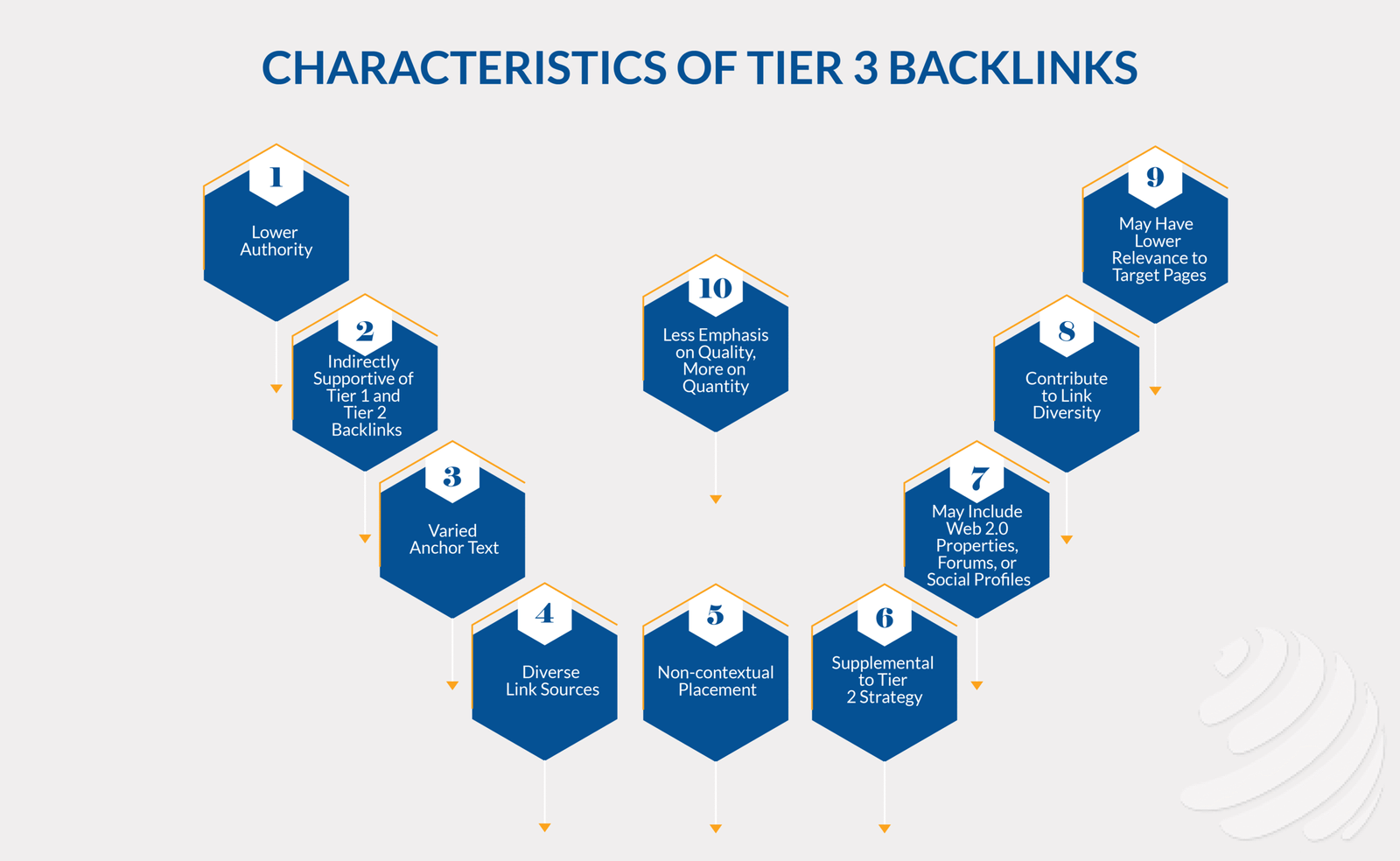
🔗 Tier 3: Supporting Links to Boost Tier 2
Tier 3 links are all about volume and indexation. They help ensure your Tier 2 content is crawled, indexed, and reinforced with signals.
Examples:
- Automated social bookmarks
- Syndication platforms
- Indexing tools or ping services
- Aggregator sites
- Free press releases or article submissions
These are the most disposable links—but use them wisely. If abused, they can attract penalties if they somehow connect back to your site. That’s why strict tier separation is critical.
How Tiered Link Building Boosts Rankings (Without Risking Penalties)

Done correctly, tiered link building achieves three powerful things:
1. It Helps Your Best Backlinks Get Noticed
Even great Tier 1 links can get ignored if they’re buried or not crawled. By building Tier 2 links to them, you increase crawl frequency and visibility—ensuring Google sees and values them.
2. It Amplifies Authority Indirectly
Google uses PageRank to flow authority through links. The more authoritative a linking page is, the more power it passes to your site.
Tier 2 links boost the authority of Tier 1 pages, which then pass more juice to your money pages.
3. It Adds a Natural-Looking Layer of Link Diversity
A site with only high-DA, perfect-looking links can raise suspicion. By layering in different platforms, domains, and types of backlinks through Tiers 2 and 3, you create a natural footprint that mimics how links organically grow across the web.
A Step-By-Step Blueprint for Building Tiered Backlinks
Let’s go from theory to practice. Here’s how to roll out a safe, effective tiered backlink structure.
✅ Step 1: Build or Earn Tier 1 Links
Focus on earning 5–10 quality backlinks to your primary URLs. This can be through:
- Guest blogging
- HARO responses
- Niche directories
- Influencer mentions
- Editorial contributions
Use brand-safe anchors, diversify sources, and focus on high Domain Rating (DR) sites.
✅ Step 2: Create Tier 2 Content That Supports Tier 1
Now, take each Tier 1 link and build supporting content that links to it.
Example:
- Publish a Medium post reviewing the guest article where your backlink lives.
- Answer a Quora question and reference the guest post.
- Write a blog on your own site that links to the Tier 1 post.
Use relevant, semi-authoritative sites and write useful content that Google will crawl and index.
✅ Step 3: Power Up Tier 2 With Tier 3 Links
Finally, point Tier 3 links to your Tier 2 content. These can include:
- Bookmarking sites (like Diigo, Mix, Scoop.it)
- RSS feed submissions
- Video descriptions
- Syndicated content links
- Content aggregators
Just don’t overdo it. A handful of Tier 3 links per Tier 2 asset is enough.
Automation vs. Manual Link Building: What’s Safe?
Automation can help with Tier 3 (indexing-level) work, but Tier 1 and 2 should always be manual, contextual, and human-written.
Avoid tools like GSA or SENuke for anything beyond Tier 3. When in doubt, focus on:
- Relevance
- Indexation
- Editorial control
If a link looks spammy to you, it’ll probably look spammy to Google.
Tools That Help With Tiered Link Building
| Tool | Use Case |
|---|---|
| Ahrefs | Backlink audit, track Tier 1 links |
| SEMrush | Backlink gap, competitor Tier 1 links |
| Google Search Console | Indexing and crawl monitoring |
| IndexMeNow / Omega | Tier 2/3 link indexing tools |
| BuzzStream | Outreach management for Tier 1 |
| Medium/WordPress.com | Great Tier 2 publishing platforms |
Common Mistakes to Avoid

❌ Mixing Tiers
Never link from Tier 3 directly to your money site. Keep layers clean.
❌ Using Spammy Tools Too Early
Tools that blast thousands of links can ruin your campaign if used on Tier 1 or 2.
❌ Ignoring Indexing
If your Tier 1 links aren’t indexed, they’re doing nothing. Use Tier 2 links and tools to get them noticed.
❌ Unnatural Anchor Text
Avoid repeating the same exact-match keyword over and over. Use branded, URL, or natural-sounding anchors.
FAQs: Tiered Link Building
1. Is tiered link building safe?
Yes—if done right. As long as your Tier 1 links are clean and you don’t directly connect spammy lower-tier links to your main site, it’s a low-risk strategy.
2. How many tiers should I build?
Most SEOs stick to two tiers: Tier 1 and Tier 2. Adding a Tier 3 is optional and should only be used for indexing purposes.
3. Do Tier 2 and 3 links pass value to my site?
Not directly. They pass value to Tier 1 links, making them stronger. This indirect benefit boosts your rankings over time.
4. How often should I build Tiered links?
Make it an ongoing process. Build Tier 2 links after every Tier 1 acquisition. Revisit older Tier 1 links and boost them with fresh Tier 2 support every few months.
5. Do I need a different strategy for local SEO or ecommerce?
Tiered linking works for all SEO types. For local SEO, focus Tier 1 on citations and local news/blogs. For ecommerce, focus Tier 1 on product roundups and industry blogs, and Tier 2 on supportive content around reviews and tutorials.
6. Can tiered linking help index backlinks?
Yes! It’s one of the best ways to get your Tier 1 backlinks indexed and seen by Google faster.
7. Should I track Tier 2 and Tier 3 links?
Track Tier 2 using tools like Ahrefs or Google Alerts. Tier 3 is more about volume and indexation, so detailed tracking isn’t necessary—just monitor indexing success.
Final Thoughts: Layered SEO Success Starts With Tiered Links
Tiered link building isn’t some outdated gray-hat tactic. When executed with precision and relevance, it becomes one of the most powerful strategies for supercharging your backlinks and securing long-term ranking improvements.
Here’s the recap:
✅ Tier 1 = high-quality backlinks directly to your site
✅ Tier 2 = links that support and strengthen Tier 1
✅ Tier 3 = light links to help get Tier 2 indexed and discovered
✅ Keep tiers clean, anchors diverse, and value-focused
✅ Focus on content relevance, crawlability, and consistency
Backlink building isn’t just about volume—it’s about structure. And tiered link building gives you that structure in a way that’s both scalable and safe.