
Understanding the Foundation What is a Career Plan
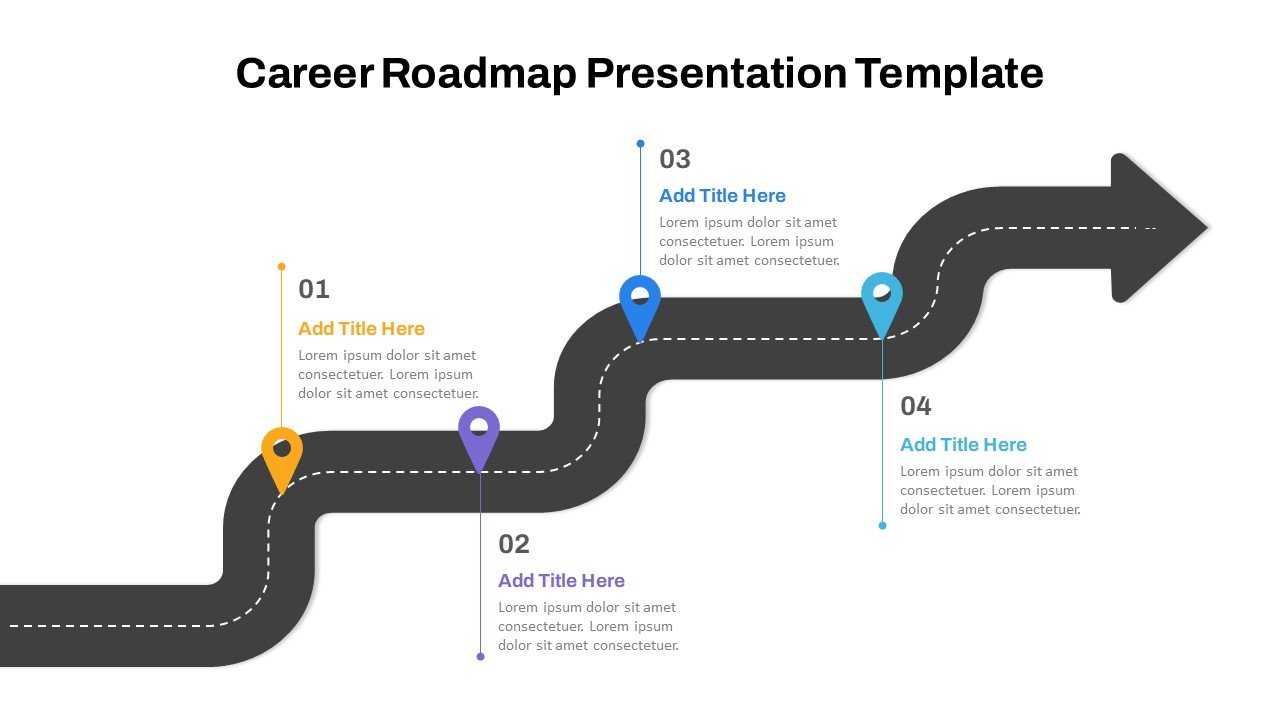
A career plan is more than just a vague aspiration; it serves as a strategic roadmap for your entire professional journey. This comprehensive blueprint outlines your career goals and meticulously details the steps you intend to take to achieve them, providing a clear vision for your future [Indeed – What is a Career Plan?]. The development of such a plan involves a systematic and iterative process. It begins with a thorough self-assessment, moves into the exploration of diverse career options, progresses to the setting of concrete goals, and embraces continuous learning and adaptation as integral parts of the journey [Western Sydney University – Career Planning Steps]. In essence, a career plan transforms your professional dreams into actionable steps, guiding your decisions and efforts throughout your working life. It’s a dynamic document, designed to evolve with your personal growth and the ever-changing professional landscape.
The Tangible Benefits of Strategic Career Planning
Embarking on the journey of developing a personal career plan yields a multitude of advantages that profoundly impact your professional trajectory and personal satisfaction. Primarily, it provides invaluable clarity and unwavering direction, empowering you to make well-informed decisions regarding your educational pursuits, essential training requirements, and prospective job opportunities [University of Sydney – Career Planning]. This foresight is critical in a competitive job market, enabling you to align your efforts with your ultimate objectives.
Beyond clarity, a robust career plan significantly enhances motivation and focus. When you possess a clear vision of where you are headed and the specific milestones you need to reach, your commitment and drive naturally escalate [Western Sydney University – Career Planning Steps]. This defined purpose transforms abstract ambitions into tangible targets, making the effort required to achieve them feel more meaningful and less daunting. The proactive and deliberate approach inherent in career planning fosters a sense of agency and control over your professional life. This, in turn, can lead directly to increased job satisfaction, as you actively work towards roles and responsibilities that resonate with your values and aspirations. Furthermore, it paves the way for substantial professional growth, opening doors to new challenges and learning experiences. Ultimately, a well-executed career plan can lead to significantly improved overall career prospects, positioning you for success and fulfillment in the long term [Careers.govt.nz – Plan Your Career].
Deconstructing Your Path Essential Components of a Career Plan
A truly robust career plan is built upon several foundational components, each playing a critical role in guiding you toward your professional aspirations. These interconnected elements ensure a holistic and practical approach to managing your career trajectory.
Self Assessment Knowing Thyself to Guide Your Journey
The initial and arguably most crucial step in career planning is a comprehensive self-assessment. This introspective process involves deeply understanding your unique blend of skills, genuine interests, core values, and inherent strengths. By thoroughly evaluating these personal attributes, you can identify career paths that not only leverage your talents but also align with what truly motivates you and brings satisfaction [Indeed – What is a Career Plan?]. Without this foundational understanding, any subsequent career decisions risk being misaligned with your true potential and desires, potentially leading to dissatisfaction or professional stagnation. Tools like personality tests, skill inventories, and reflection exercises can be invaluable during this phase, helping to illuminate your intrinsic drivers and capabilities.
Career Exploration Charting Your Course in the Professional Landscape
Once you have a clear picture of yourself through self-assessment, the next vital component is diligent career exploration. This involves actively researching various industries, specific roles within those industries, and potential employers that resonate with your self-assessment findings [Careers.govt.nz – Plan Your Career]. This phase is about looking outward, understanding the demands of different professions, the required qualifications, typical work environments, and potential for growth. It might include informational interviews with professionals in your fields of interest, attending industry events, or exploring online job boards to gain insights into current market trends. The goal is to gather enough information to make informed decisions about which paths are most viable and appealing.
Goal Setting Crafting Your North Star with SMART Objectives
With a clearer understanding of yourself and the professional landscape, the next step is to define your aspirations through strategic goal setting. This involves articulating specific, measurable, achievable, relevant, and time-bound (SMART) short-term and long-term career goals [Indeed – Career Development Plan Steps]. Short-term goals might include acquiring a new certification or completing a specific project, while long-term goals could involve reaching a senior leadership position or transitioning into a completely new field. Defining goals with the SMART framework ensures they are concrete and actionable, providing a clear “north star” to guide your efforts and measure your progress effectively.
Skill Development Bridging Gaps and Building Competencies
As you define your career goals, you will inevitably identify areas where your current skillset may need enhancement. Skill development is a continuous component of career planning, focusing on identifying any gaps in your current competencies and proactively planning for further education, relevant certifications, or specialized training to acquire the necessary skills [Indeed – Career Development Plan Steps]. This might involve enrolling in online courses, pursuing a higher degree, attending workshops, or even seeking out stretch assignments within your current role. Staying abreast of industry trends and continuously refining your capabilities ensures you remain competitive and adaptable in an ever-evolving job market.
Networking Cultivating Connections for Growth and Opportunity
Networking, often underestimated, is a powerful component for career advancement. It involves actively building and leveraging professional relationships to gain valuable insights, secure mentorship, and uncover potential opportunities that might not be publicly advertised [Careers.govt.nz – Plan Your Career]. This isn’t just about collecting business cards; it’s about forming genuine connections with peers, mentors, and industry leaders. These relationships can provide guidance, open doors to new collaborations, and offer different perspectives on career challenges. Effective networking is an ongoing process that supports both immediate and long-term career goals.
Action Plan & Review Navigating Your Path with Flexibility
The final, but continuous, component is the creation of a detailed action plan coupled with regular review. This involves mapping out the specific steps you will take to achieve your SMART goals, complete with realistic timelines [Indeed – Career Development Plan Steps]. However, a career plan is not static; the professional world and your personal circumstances are constantly evolving. Therefore, it is crucial to regularly review and adjust your plan. This iterative process allows you to remain flexible, adapting your strategies as new opportunities arise, priorities shift, or the job market evolves. Regular check-ins ensure your career plan remains a living document, responsive to change and continually aligned with your professional aspirations.
Sources
- Careers.govt.nz – Plan Your Career
- Indeed – Career Development Plan Steps
- Indeed – What is a Career Plan?
- University of Sydney – Career Planning
- Western Sydney University – Career Planning Steps
Conclusion:
A career plan is a powerful, evolving roadmap that transforms aspirations into actionable steps, providing clarity, motivation, and direction throughout one’s professional journey. By combining self-assessment, exploration, SMART goal setting, skill development, networking, and regular review, individuals can proactively shape their careers with purpose. This structured yet flexible approach fosters adaptability in a dynamic job market while keeping long-term goals in sight. Ultimately, career planning empowers individuals to achieve growth, fulfillment, and lasting success.