

How to Create Linkable Assets That Supercharge Your Link-Building Strategy (2025 Edition)
Link building without the right content is like fishing without bait. If you want other websites to link to yours naturally, you need content worth linking to—and that’s where linkable assets come in.
Whether you’re aiming to earn backlinks from high-authority blogs, .edu sites, or niche-relevant publishers, creating strong linkable assets is non-negotiable. But what exactly qualifies as a linkable asset, and how do you make sure yours stands out?
This guide breaks it all down—from content formats that naturally attract links to advanced strategies for building assets that actually get results.
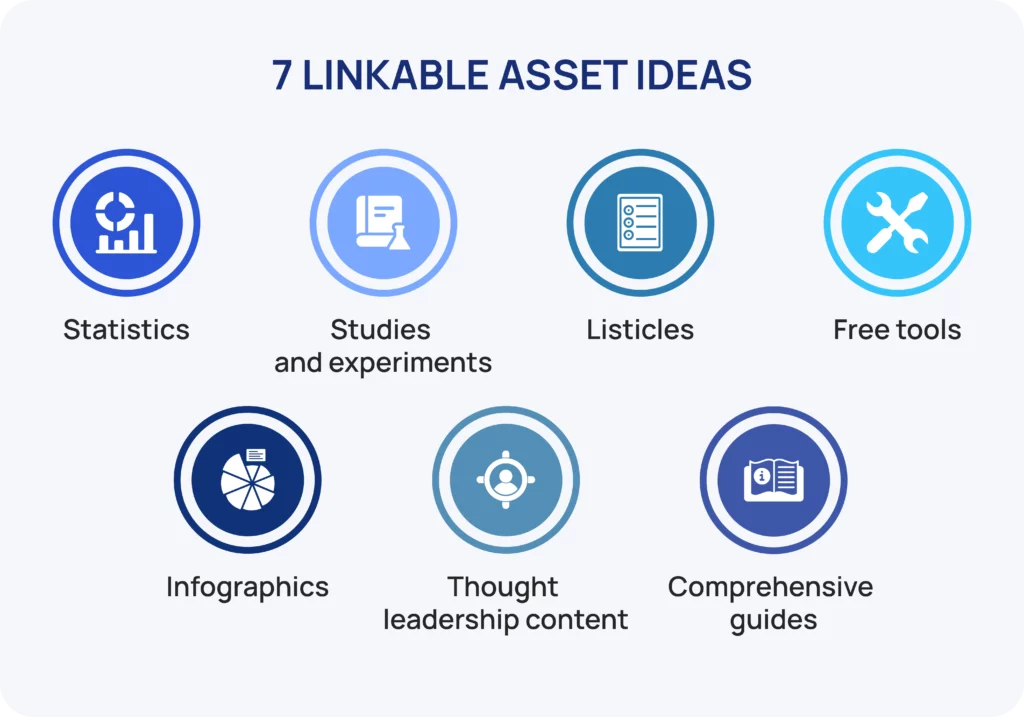
What Is a Linkable Asset?
A linkable asset is any piece of content (written, visual, interactive, or multimedia) that is:
- Valuable to a specific audience
- Relevant to a specific topic or industry
- Citable or sharable by other websites
- Non-promotional, educational, or data-rich
In short, it’s content that people want to reference, share, or link to because it offers genuine value.
Why Linkable Assets Are the Foundation of White-Hat SEO
When done right, linkable assets:
✅ Earn links passively over time
✅ Help you rank for competitive keywords
✅ Improve domain authority (DA/DR)
✅ Generate referral traffic
✅ Strengthen topical relevance
✅ Build brand credibility and trust
The best part? You don’t need to beg for backlinks. When people find your asset useful, they’ll link to it on their own.
Types of High-Performing Linkable Assets (With Examples)
Let’s break down the most effective formats for linkable assets—and how to build each one to attract quality backlinks.
1. Ultimate Guides & Long-Form Educational Content
These are deep-dive pieces that thoroughly cover a topic. They’re often 2,000+ words and designed to be a go-to reference.
What Makes Them Linkable:
- Solves a problem in detail
- Covers all aspects of a topic
- Often ranks well on Google
- Trusted by other content creators
Example:
- “The Complete Beginner’s Guide to On-Page SEO”
- “Everything You Need to Know About Sustainable Packaging”
2. Original Research & Data Studies
Original statistics and surveys are backlink magnets. Writers, bloggers, and journalists love citing fresh data.
What Makes Them Linkable:
- Hard-to-find, credible information
- Frequently referenced in blogs, whitepapers, and news outlets
- Builds brand authority
Example:
- “2025 E-Commerce Conversion Rate Benchmarks”
- “Survey: 87% of Gen Z Prefer Sustainable Brands”
🔍 Tip: Use free tools like Google Forms + spreadsheets to collect data for basic studies.
3. Infographics & Visual Explainers
Well-designed infographics condense complex information into an easy-to-digest visual. If it’s helpful and attractive, other sites will embed or link to it.
What Makes Them Linkable:
- Visually appealing
- Easy to share
- Explains complex ideas simply
Example:
- “The Anatomy of a Perfect Blog Post [Infographic]”
- “How Solar Panels Work (Visual Guide)”
4. Free Tools, Calculators, and Templates
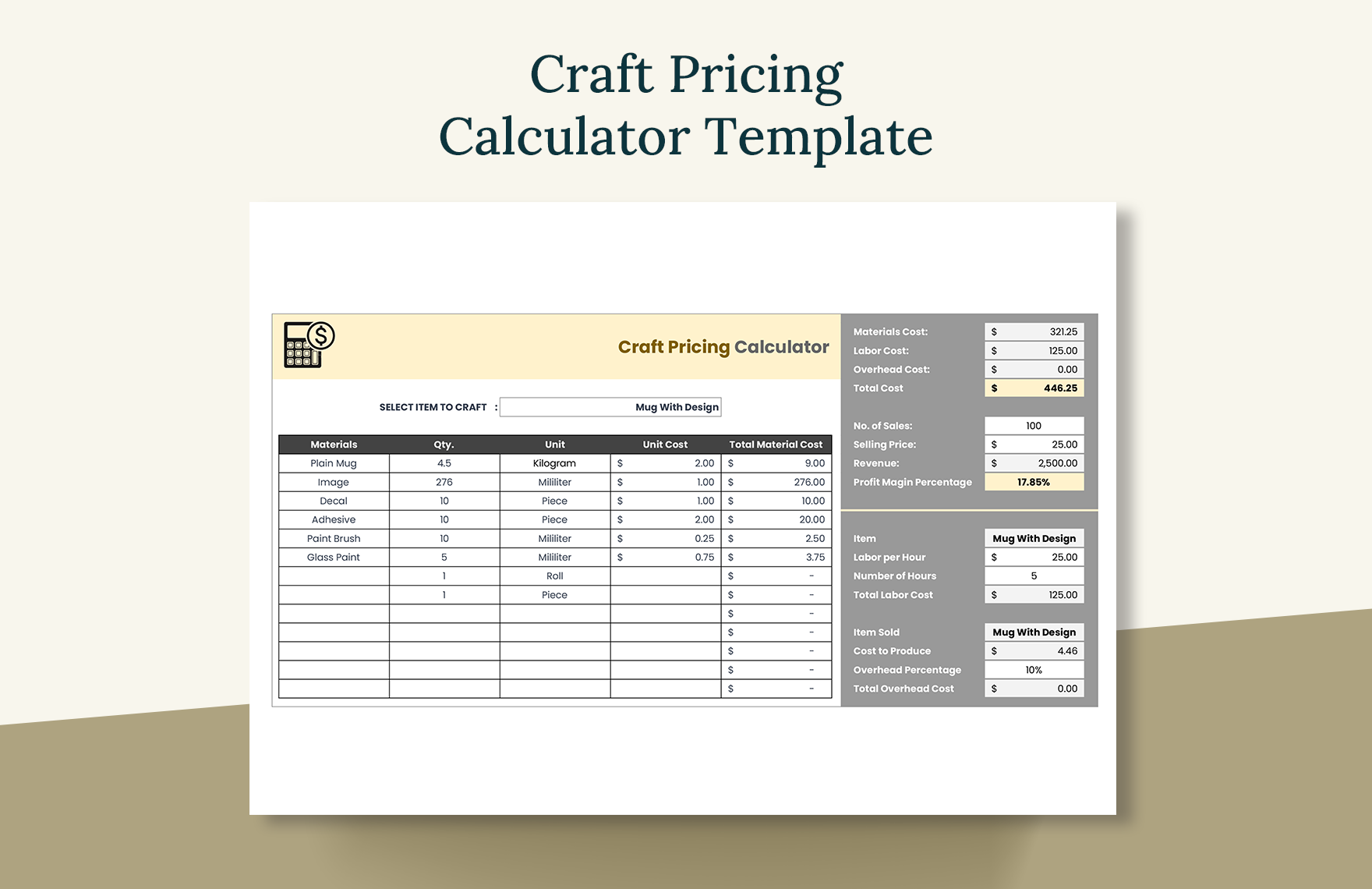
People love interactive or downloadable resources that save time or provide insights.
What Makes Them Linkable:
- Offers ongoing value
- Gets shared in blog posts and resource pages
- Useful for niche audiences
Example:
- “ROI Calculator for SaaS Companies”
- “Free Weekly Meal Planner Template”
- “Resume Builder Tool for Job Seekers”
🎯 Tools and templates often earn backlinks from resource pages, bloggers, and university sites.
5. Industry Glossaries or Jargon Busters
If your niche is full of confusing acronyms and terminology, a glossary can earn serious links from educational content creators.
What Makes Them Linkable:
- Improves reader comprehension
- Serves as a reference for others
- Ranks well for long-tail keywords
Example:
- “Digital Marketing Glossary: 250+ Terms Explained”
- “Cybersecurity Acronyms: A-Z Reference Guide”
6. Controversial Opinions or Thought Leadership
While this is riskier, strong opinions or contrarian takes can get people talking—and linking.
What Makes Them Linkable:
- Sparks discussion or debate
- Gets attention from bloggers and social media
- Works well when backed by data
Example:
- “Why Google’s E-E-A-T Guidelines Are Hurting New Creators”
- “The Case Against Paid Link Building in 2025”
7. Evergreen Checklists & How-To Frameworks
Step-by-step guides and frameworks make complex tasks easier. People link to them as actionable resources.
What Makes Them Linkable:
- Easy to follow
- Solves specific problems
- Valuable in any industry
Example:
- “Onboarding Checklist for Remote Employees”
- “How to Launch a Product in 10 Steps [Framework]”
How to Build Linkable Assets That Actually Attract Links
Now that you know what types work, here’s how to plan, create, and promote your linkable assets the smart way.
Step 1: Research What Already Earns Links
Use tools like Ahrefs, SEMrush, or BuzzSumo to find:
- Top linked pages in your niche
- Competitor assets with the most backlinks
- Trends in your industry worth exploring
📊 Tip: In Ahrefs, use the “Best by Links” report to reverse-engineer what’s working for others.
Step 2: Fill the Gaps or Make It Better
Once you identify what’s working, ask:
- Can I go more in-depth?
- Can I update outdated stats?
- Can I make it more visual?
- Can I simplify the information?
Don’t reinvent the wheel. Just make a better, more valuable version of what already exists.
Step 3: Optimize for Search & Usability
Even the best asset needs to be discoverable.
- Target a specific keyword cluster
- Use proper H1–H3 structure
- Add a table of contents
- Include visuals, examples, and internal links
Make sure your content loads fast, looks clean, and works well on mobile.
Step 4: Promote It Strategically
Don’t sit back and wait for backlinks—go get them.
Outreach tactics:
- Pitch your asset to bloggers and journalists in your niche
- Share in relevant online communities or forums
- Use HARO or Qwoted to get cited in articles
- Submit to industry-specific directories or newsletters
- Contact sites that linked to similar content (ask them to consider yours)
Step 5: Keep It Updated
If your asset becomes outdated, it loses value and links. Set a reminder to:
- Review and refresh content annually
- Update statistics, visuals, and links
- Add new sections based on reader feedback
This keeps the content evergreen and backlink-worthy long-term.
Examples of Linkable Assets That Got 1,000+ Backlinks
| Asset Type | Example Title | Backlinks |
|---|---|---|
| Research Study | “The State of Remote Work 2024” | 5,200+ |
| Tool | “Headline Analyzer by CoSchedule” | 3,000+ |
| Guide | “SEO for Beginners: The Ultimate Guide” | 10,000+ |
| Infographic | “How Coffee Affects the Brain” | 1,500+ |
| Glossary | “UX Design Terminology Glossary” | 1,200+ |
💡 The key isn’t just creating good content—it’s making it linkable and promoting it smartly.
Common Mistakes to Avoid When Creating Linkable Assets
❌ Making the Content Too Promotional
People link to value, not sales pitches.
❌ Ignoring SEO Fundamentals
If no one can find it, no one can link to it.
❌ Choosing a Boring or Oversaturated Topic
Use tools like Exploding Topics or Google Trends to spot fresh angles.
❌ Forgetting to Outreach
Promotion is half the battle. Even great assets need visibility.

FAQ: Linkable Assets & SEO
1. How long does it take for a linkable asset to earn backlinks?
Usually within 1–3 months after launch and promotion. Some evergreen assets continue gaining backlinks for years.
2. Do I need to be a big brand to get links to my content?
Not at all. Small blogs and startups earn links all the time with valuable, well-promoted assets.
3. Should I create multiple assets at once or focus on one?
Start with one strong asset. Promote it heavily. Once it gains traction, scale up.
4. Can I outsource linkable asset creation?
Yes, many content agencies specialize in data studies, infographics, tools, or high-level blog content. Just ensure it’s original, high-quality, and truly valuable.
5. Is it okay to repurpose linkable assets across formats?
Absolutely. Turn a guide into an infographic. Turn a research report into a video or social media series. Repurposing increases reach—and backlinks.
6. How many backlinks can one asset get?
It varies. A good asset may get 10–50 backlinks. A great one can earn hundreds or thousands, especially if promoted correctly and shared in the right circles.
7. Should I gate my linkable asset behind a form?
If your primary goal is backlinks, avoid gating. Keep it freely accessible so others can link to it.
Final Thoughts: Create Content People Want to Link To
In today’s SEO landscape, link building isn’t about spammy outreach or paid links—it’s about earning links naturally by providing real value.
That’s why building the right linkable assets is so important. Whether it’s a robust guide, a helpful tool, or fresh research, what matters most is:
- Solving a real problem
- Being useful to your audience
- Standing out from what’s already out there
Focus on quality, promotion, and long-term relevance—and you’ll create assets that generate backlinks, traffic, and authority for years to come.