

How to Get It Right: Link Building for Healthcare Industries (2025 Edition)
Healthcare SEO is a different beast. Trust, accuracy, compliance, and credibility all matter deeply. That’s why link building in the healthcare industry demands a more careful, strategic, and ethical approach.
In this guide, you’ll learn exactly how to build authoritative, high-quality backlinks that boost your search engine rankings—without compromising patient trust or violating medical marketing standards.
Why Link Building Is Essential for Healthcare Websites
Backlinks are one of Google’s top three ranking factors. For healthcare sites—clinics, hospitals, wellness blogs, practitioners, telehealth services—they’re especially important because:
✅ 1. Trust is Everything
Healthcare decisions are personal and high-stakes. Google favors sites with strong E-E-A-T (Experience, Expertise, Authoritativeness, Trustworthiness). Quality backlinks help demonstrate that.
✅ 2. Competition is Fierce
Whether you’re a local dentist or a national telemedicine provider, you’re up against large healthcare chains, review platforms, and ad-heavy competitors. You need backlinks to stand out organically.
✅ 3. Backlinks Amplify Content Visibility
Even the best health advice won’t help people if it doesn’t rank. Backlinks signal value to Google, helping your blog posts, service pages, and health guides rise in the search results.
The Challenges of Healthcare Link Building
Healthcare SEO isn’t like eCommerce or SaaS. Here’s what makes it uniquely difficult:
- Strict regulations (HIPAA, FDA, FTC)
- Sensitive subject matter
- High-quality content requirements
- Low tolerance for spammy tactics
That means traditional link building shortcuts (like mass guest posting or directory spam) won’t work. You need a white-hat, trust-first approach.
7 Advanced Strategies for Healthcare Link Building
Let’s explore proven, ethical, and effective ways to build backlinks for medical and wellness websites.
1. Publish Expert-Led, Research-Based Content
Healthcare content must go beyond fluff. It needs to be accurate, helpful, and ideally authored or reviewed by a licensed professional.
What to create:
- In-depth patient guides
- Symptom checklists
- Treatment comparisons
- Wellness research
- Mental health articles
- Infographics or fact sheets
Once you have expert-backed content, promote it as a resource to health bloggers, news sites, nonprofits, and medical forums.
✅ Pro tip: Include citations from trusted sources (CDC, WHO, Mayo Clinic) to increase perceived authority.
2. Get Featured on .edu and .gov Resource Pages
Universities, health departments, and public service websites often maintain resource lists for students, patients, and caregivers.
If your site offers valuable, credible, and non-promotional content, you can request to be included.
Examples of content that earns these links:
- Mental health self-help tools
- Women’s health checklists
- Nutrition or fitness guides for students
- Free support group directories
- Patient education eBooks
🛠️ Use Google search operators like:
site:.gov “health resources” + submitsite:.edu “mental health help” + “useful links”
3. Build Relationships With Health Journalists

Earn media backlinks through platforms like:
- HARO (Help a Reporter Out)
- Qwoted
- SourceBottle
- ProfNet
These connect you with journalists writing health-related articles who need expert commentary.
If you’re a doctor, nurse, therapist, or nutritionist, sign up as a source. Provide timely, expert quotes, and you’ll often earn a do-follow link from a major publication.
4. Collaborate With Nonprofits & Health Advocacy Groups
Many health-related nonprofits are happy to collaborate if your values align.
Ways to partner:
- Donate to their mission
- Share their content
- Host webinars or awareness events
- Co-create a patient guide
- Sponsor health awareness campaigns
In return, they may link to your site from their “Our Partners” page or include your resource in their content.
🧠 Bonus: Many nonprofits operate under .org or .gov domains—super valuable for SEO.
5. Guest Post on Authoritative Medical Blogs
Guest posting is still viable—if done right.
Avoid generic “write for us” sites. Instead, pitch articles to:
- Medical associations
- Professional healthcare blogs
- Patient support group websites
- Industry magazines
- Niche blogs (e.g., diabetes, fertility, sports medicine)
Make sure your content:
- Offers genuine value
- References scientific studies
- Avoids overt self-promotion
- Links naturally back to your site
6. Optimize for Local SEO & Community Links
For local clinics, dentists, therapists, and chiropractors, local backlinks are gold.
Where to get them:
- Chamber of Commerce sites
- Local event sponsorship pages
- Health fairs or charity event listings
- Local news interviews or features
- Community directories
Claim and optimize your Google Business Profile and ensure your NAP (Name, Address, Phone) is consistent across listings.
7. Create and Promote Free Tools or Calculators
People love tools that help them:
- Check symptoms
- Calculate BMI
- Assess stress or anxiety
- Track medication
- Build meal plans
If you can develop a simple tool or quiz—either as a web app or downloadable PDF—you can pitch it to:
- Schools
- Nonprofits
- Health blogs
- Local government sites
These tools often earn passive backlinks over time from content creators looking to add value to their pages.
Technical Tips: How to Track and Manage Your Backlinks
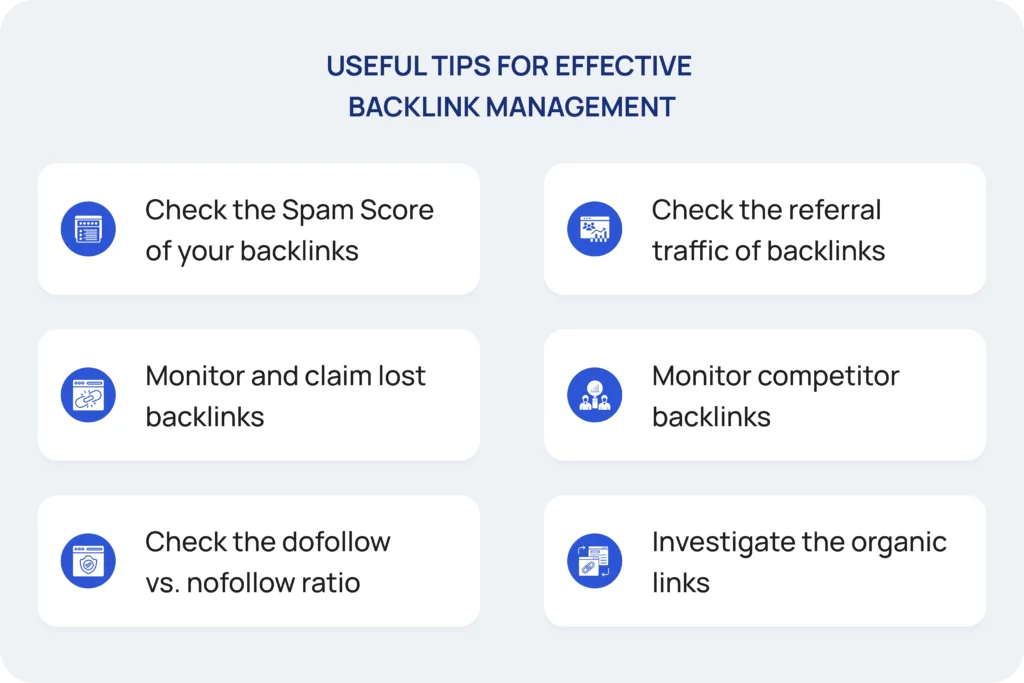
Use SEO tools to monitor and refine your efforts.
| Tool | Purpose |
|---|---|
| Ahrefs / SEMrush | Monitor backlinks and referring domains |
| BuzzSumo | Find high-performing health content |
| HARO / Qwoted | Earn PR links from media outlets |
| Google Search Console | Track link performance in search |
| Hunter.io | Find contact emails for outreach |
Track metrics like:
- Referring domain authority
- Anchor text diversity
- Traffic from backlinks
- Page rankings over time
Healthcare Link Building: Compliance & Ethics Checklist
Make sure all your link building complies with:
✅ HIPAA guidelines – Never reveal patient data or use testimonials improperly
✅ FDA rules – Avoid making unverified medical claims
✅ FTC guidelines – Disclose any affiliations, sponsorships, or guest post authorship
✅ Google’s E-E-A-T principles – Demonstrate expertise and trust at every turn
Being ethical not only protects your reputation—it helps your site rank higher in the long run.
FAQs: Link Building for Healthcare
1. Are backlinks really that important in healthcare SEO?
Yes—backlinks signal authority and trust to Google. In health, where credibility is critical, they can dramatically improve ranking and patient trust.
2. Is it safe to use AI to write healthcare content for link building?
AI tools can help with drafting or ideation, but final content should be reviewed by a qualified health expert to ensure accuracy, safety, and compliance.
3. Can I buy backlinks to speed up the process?
No—and especially not in healthcare. Buying backlinks can lead to penalties and loss of trust. Focus on earning natural, high-quality links instead.
4. How many backlinks do I need to compete?
It depends on your market. For local clinics, 10–30 strong links can help you dominate. For national health sites, hundreds of authoritative links may be needed.
5. What’s the best type of link for a healthcare site?
Links from .gov, .edu, nonprofit, media, and medical authority sites are the most powerful. Avoid spammy directories and link farms.
6. Can telehealth providers use the same strategies?
Yes, and they should! National and remote healthcare providers can especially benefit from digital PR, nonprofit collaboration, and guest posting.
7. How long does it take to see SEO results from link building?
It depends on your competition, but expect to see measurable improvement in 2–4 months of consistent link-building efforts.
Final Thoughts: Smart, Ethical Link Building Is Essential for Healthcare SEO

In healthcare, your content can’t just be good—it has to be trustworthy, expert-backed, and discoverable. That’s where high-quality link building comes in.
By focusing on strategies like:
- Publishing expert health guides
- Partnering with nonprofits and public agencies
- Answering media questions
- Contributing to authoritative health blogs
- Offering helpful tools and resources
You can earn backlinks that improve rankings without compromising your credibility.
Remember: the goal isn’t just SEO—it’s building a reputable, authoritative digital presence patients can trust.
If you’d like help building a healthcare SEO strategy or getting started with compliant link outreach, just say the word—I’m here to help.